Tunis itineraries
Ready-made routes for every kind of Tunis trip — from a three-day city break to a two-week tour with a Sahara extension.
By theme
Built around a specific interest — the trail of Roman ruins, a family trip, or a Sahara extension.

One day in Tunis

A 24-hour Tunis stopover

Two days in Tunis

Three days in Tunis

A long weekend in Tunis

Four days in Tunis and Cap Bon

Four days in Tunis and around

Roman Tunisia in five days

Five family days in Tunis and Hammamet

Five days in Tunis and the north

A north Tunisia road trip in six days

The UNESCO sites of Tunisia in six days

One week: Tunis and the Sahara

One week in Tunis and its region
Best day trips from Tunis on GetYourGuide
Verified deep-linked GetYourGuide tours. Book through these links and we earn a small commission at no cost to you.
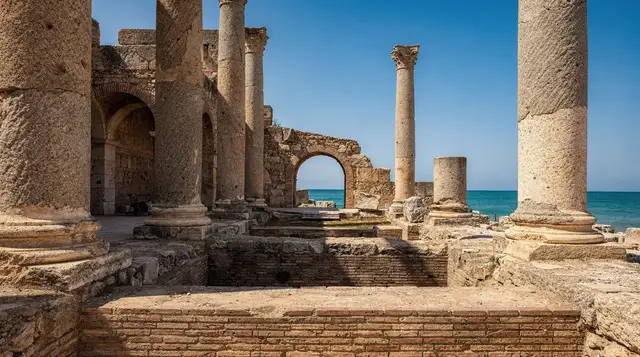
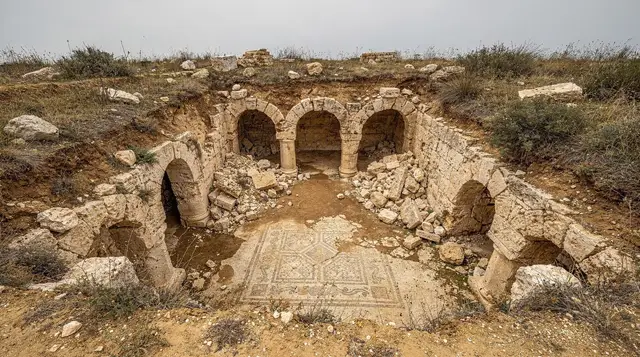
These are our own photographs of Tunisia, not the operator's pictures of this tour — open the tour page to see those.

Good to know about Tunis itineraries
Planning a Tunis trip by length rather than by neighbourhood tends to produce a more realistic itinerary, and this hub covers the shapes that come up most often. Three days is enough to cover the essentials in the capital: the medina around the Ez-Zitouna Mosque, the mosaics of the Bardo Museum, and a half-day in Carthage and Sidi Bou Said by TGM. Five days allows a single day trip further out to be folded in, most commonly the Roman north-west for Dougga and Bulla Regia, or Cap Bon for Hammamet and Nabeul, without feeling rushed.
Seven days is where a second day-trip region becomes realistic, whether that's the Sahel for Kairouan and El Djem, or more time split between the medina, the bay and a north-west excursion. A Sahara extension changes the shape of the trip entirely: pairing four or five days around Tunis with a dedicated two- to three-day circuit through Douz, Tozeur and Matmata works better as a planned addition than a rushed side trip, given the distances involved and the fact that it's almost always done by organised tour rather than self-drive.
A family-focused itinerary swaps out some of the walking-heavy medina time for the beaches of La Marsa or Hammamet and gentler half-days, since long days on foot in the sun don't tend to work well with kids. Themed itineraries follow a specific interest: a Roman and Punic ruins trail links Carthage, Dougga, Bulla Regia and El Djem across several days; a Sahara-focused trip minimises time in Tunis itself in favour of the desert circuit.
Across every version of these itineraries, the same planning constraints keep showing up — the Ez-Zitouna prayer hall stays closed to non-Muslims even though the courtyard is open, Carthage's ruins need a multi-site ticket rather than single entries, and Ramadan and summer heat both change what's comfortable to do on a given day. This hub's itinerary pages work through those constraints day by day rather than leaving them as a checklist at the end.
Frequently asked questions about Tunis itineraries
How many days do I need for a first trip to Tunis?
Three days covers the core of the capital — the medina, the Bardo Museum, and a half-day in Carthage and Sidi Bou Said. Five days lets you add one day trip such as the Roman north-west or Cap Bon, and seven days makes a second day-trip region realistic without feeling rushed.
How long should a Sahara extension from Tunis be?
A Sahara extension works best as two to three added days covering Douz, Tozeur and Matmata, almost always with an organised tour or private driver rather than self-drive. It suits travellers who don't want to rush the desert into a single long day trip and have the extra time to spare.
What does a Tunis itinerary with kids look like?
A family-focused itinerary typically swaps some of the walking-heavy medina time for beach afternoons in La Marsa or Hammamet and shorter, less rushed half-days. Pacing matters more than the sightseeing list — long days on foot in the heat don't tend to work well with children.
What's a good themed itinerary for someone focused on Roman ruins?
A Roman and Punic ruins trail links Carthage, Dougga, Bulla Regia and El Djem across several days, ideally with a night or two outside Tunis to cut down on driving. It suits travellers who want depth on the ancient sites rather than a broad first-timer's overview.
What planning constraints should I build into any Tunis itinerary?
The Ez-Zitouna prayer hall stays closed to non-Muslims even though the courtyard is open, Carthage's ruins are covered by a multi-site ticket rather than single entries, and both Ramadan and peak summer heat change what's comfortable to do outdoors on a given day.