Travel tips for Tunis
Everything worth knowing before a trip to Tunis — visas, money, transport, manners and when to go.
Planning essentials
Visa rules, budget, the Tunisian dinar and cash machines, safety on the road, and where to stay in Tunis.

Accessible travel in Tunis

How many days do you need in Tunis?

Is Tunis safe? An honest answer

Money and payments in Tunisia

Planning a trip to Tunis

Tipping in Tunisia

Tourist traps and scams in Tunis

Travelling solo in Tunis

Tunisia for female travellers

Visas and entry rules for Tunisia

What a trip to Tunis actually costs

Where to stay in Tunis
Getting around
Tunis-Carthage airport eight kilometres from the centre, Enfidha-Hammamet airport for Cap Bon and the Sahel, the TGM line, the light rail, and louages for journeys between towns.


When to go
Tunis has mild, rainy winters and hot, dry summers, and Ramadan changes the daily rhythm across the country. Month-by-month guides show what to expect.


Trip-planning essentials on GetYourGuide
Verified deep-linked GetYourGuide tours. Book through these links and we earn a small commission at no cost to you.
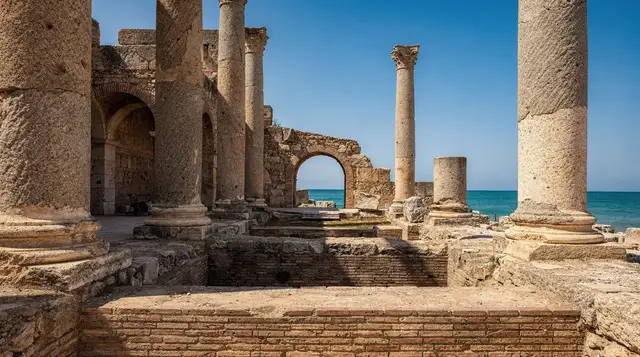
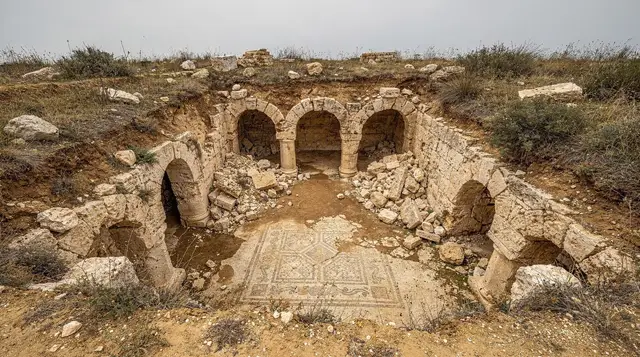
These are our own photographs of Tunisia, not the operator's pictures of this tour — open the tour page to see those.

Good to know about Tunis travel tips
Tunis rewards a bit of practical preparation before arrival, and most of what trips up first-time visitors falls into a handful of categories. Transport is the biggest one: the TGM light rail line connects central Tunis with Carthage, Sidi Bou Said and La Marsa along the bay, a separate light rail (metro léger) network covers the city itself, and louages — shared inter-city taxis that leave when full — are the practical way to reach towns beyond the capital without a rental car. Yellow taxis run on the meter within Tunis, and it's worth insisting the driver uses it rather than agreeing a flat fare in advance.
Money is straightforward once you know the basics: the currency is the Tunisian dinar, it isn't convertible outside the country, so leftover cash needs spending or changing back before departure, and cash machines are widely available in central Tunis and larger towns but scarcer in rural areas. Tipping is customary though not obligatory — rounding up a taxi fare or leaving a modest amount in a restaurant is normal practice, more expected than in some neighbouring countries but never a large percentage. From Tunis-Carthage airport, eight kilometres from the centre, a taxi into town is quick; travellers heading straight to Cap Bon or the Sahel often fly into Enfidha-Hammamet instead.
A few etiquette basics go a long way: dress modestly around mosques and in the medina, expect the prayer hall of the Ez-Zitouna Mosque to stay closed to non-Muslims even though its courtyard is open, and bargain in the souks, where an opening price is rarely the real one. Personal safety is rarely a major concern in the areas covered by this site, though ordinary city caution applies around unlicensed guides near major sites, who sometimes pressure visitors into paid detours.
Timing the trip matters too: spring and autumn bring the mildest, most comfortable weather across the country, summer is hot everywhere and genuinely demanding in the Sahara, and Ramadan changes the daily rhythm — many cafés and restaurants close during daylight hours and reopen after sunset — so it's worth checking the dates before booking. Entry requirements vary by nationality and are worth confirming close to your travel dates rather than assuming last year's rules still apply.
Frequently asked questions about Tunis travel tips
What are the most useful travel tips for first-time visitors to Tunis?
Get comfortable with the TGM for Carthage and the bay, use louages or a rental car for towns further out, and expect the Tunisian dinar to be non-convertible outside the country. Beyond that, modest dress near mosques and a habit of bargaining in the souks cover most situations.
What's the best way to get from Tunis-Carthage airport into the city?
A metered taxi covers the eight kilometres from Tunis-Carthage airport into the centre quickly and affordably. Travellers heading straight to Cap Bon or the Sahel without stopping in Tunis often fly into Enfidha-Hammamet airport instead, which sits closer to those regions.
Do I need to tip in Tunis restaurants and taxis?
Tipping is customary but not obligatory. Rounding up a taxi fare or leaving a modest amount in a restaurant is normal and appreciated, but it's nowhere close to the percentages expected in North America — a small amount goes a long way.
When is the best time of year to visit Tunis based on weather?
Spring and autumn bring the mildest, most comfortable weather across the country and are the best general window for sightseeing. Summer is hot everywhere and genuinely demanding for a Sahara trip, while winter is mild but can be rainy, especially in the north.
How do louages work for travel beyond Tunis?
Louages are shared taxis that run fixed routes between towns and leave once full rather than on a set schedule, picked up from dedicated louage stations rather than hailed on the street. They're cheap and frequent on popular routes like Kairouan or Sousse, though less convenient for a tight schedule than a rental car.