Things to do in Tunis
From the alleys of the medina to the mosaics of the Bardo Museum and the ruins of Carthage, Tunis and its surroundings offer experiences for every kind of trip.
The essential experiences
The categories that shape a first trip to Tunis — from the Punic and Roman sites to the medina and its souks.

Roman and Punic sites
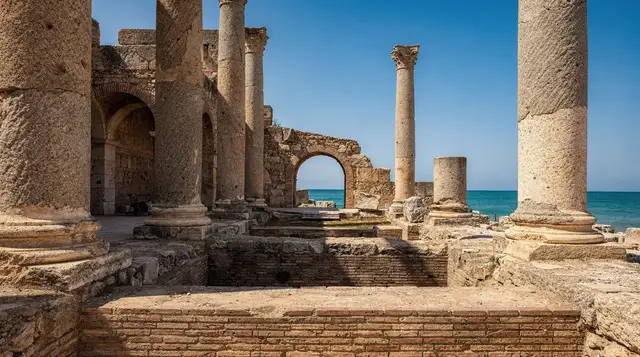
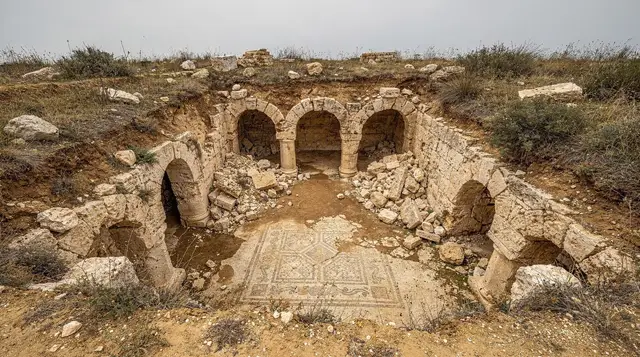
The ruins of Carthage, the excavations at Dougga and Bulla Regia, the amphitheatre at El Djem, and the quieter sites of Thuburbo Majus and Utica.
14 guides
Medinas and souks
The Tunis medina around the Zitouna Mosque, its souks for spices, leather and copper, and the pottery workshops of Nabeul.
12 guides
The Sahara
Two- to three-day trips from Tunis to Douz and Tozeur, the troglodyte dwellings of Matmata, Star Wars filming locations, and nights spent camping at Ksar Ghilane.
12 guides
Food and drink
Couscous and brik in medina restaurants, street food, pastry shops selling makroudh and baklawa, and Tunisia's early wine-growing areas.
12 guides
Museums and art
The mosaics of the Bardo Museum, the site museum at Carthage, and contemporary galleries and street art in the medina.
9 guides
Beaches and the coast
The beaches of La Marsa and Gammarth, boat trips and diving along the coast, and Cap Angela, mainland Africa's northernmost point.
10 guidesMore ways to experience Tunis
Specialist interests and practical planning — day trips, when to go, and the comparisons first-time visitors ask about most.

Culture and heritage
Andalusian Sidi Bou Said, the holy city of Kairouan and its ribats, Jewish and Berber heritage, and the Malouf musical tradition.
10 guides
Nature and hiking
Ichkeul National Park, the forests of the Kroumirie, Jebel Zaghouan, and birdwatching along the coast and lakes.
8 guides
Hammams and wellness
Traditional hammams in the medina, thalassotherapy centres along the coast, and the warm springs at Korbous on the Cap Bon peninsula.
6 guides
Family-friendly
Friguia Park's wildlife, water parks along the coast, family beaches at La Marsa, and a medina walk that works with children too.
7 guides
Day trips
Every excursion possible in a single day from Tunis, from Carthage to the Roman north-west and the Sahel coast.
12 guides
Planning
Budget, safety, visas, money and cash machines, where to stay, and accessibility for a trip to Tunis.
12 guides
Transport
Tunis-Carthage airport, the TGM line to Carthage and Sidi Bou Said, the light rail, louages and taxis.
10 guides
When to go
Month-by-month through Tunis's climate, Ramadan, festivals such as the Carthage International Festival, and the heat of the Sahara.
10 guides
Compare options
Tunis or Marrakech, Carthage or Dougga, Hammamet or Sousse — the classic decisions when planning a trip.
8 guidesBrowse by destination
Tours and activities organised by where you're headed — the best of each city and region.
Popular Tunis experiences on GetYourGuide
Verified deep-linked GetYourGuide tours. Book through these links and we earn a small commission at no cost to you.
These are our own photographs of Tunisia, not the operator's pictures of this tour — open the tour page to see those.

Good to know about things to do in Tunis
Tunis' things-to-do hub is built around fifteen categories rather than a single ranked list, since a good day in and around the city depends on what you're actually after. Roman and Punic sites form the historical backbone: the ruins of Carthage, the excavations at Dougga and Bulla Regia, the amphitheatre at El Djem and the quieter sites of Thuburbo Majus and Utica. Medinas and souks cover the Tunis medina around the Ez-Zitouna Mosque, its souks for spices, leather and copper, and the pottery workshops of Nabeul. The Sahara is its own category: two- to three-day circuits from Tunis to Douz and Tozeur, the troglodyte dwellings of Matmata, and nights spent camping at Ksar Ghilane.
Food and drink covers couscous and brik in medina restaurants, street food stalls, and Tunisia's early wine-growing areas, while museums and art centres on the mosaics of the Bardo Museum and the site museum at Carthage. Beaches and the coast pull visitors toward La Marsa and Gammarth, boat trips and diving, and Cap Angela, mainland Africa's northernmost point. Culture and heritage spans Andalusian Sidi Bou Said, the holy city of Kairouan and its ribats, and Tunisia's Berber, Andalusian and Jewish heritage, while nature and hiking covers Ichkeul National Park, the forests of the Kroumirie and Jebel Zaghouan.
Hammams and wellness is distinctly local: traditional hammams in the medina and the warm springs at Korbous on the Cap Bon peninsula. Family-friendly activities have their own category, from Friguia Park's wildlife to the family beaches of La Marsa, and day trips extend the categories geographically, covering every excursion possible from Tunis. Planning and transport exist because Tunis rewards preparation: knowing how the TGM, the light rail and louages fit together, and understanding visa rules and budget, all change how smoothly a trip runs.
Seasonal content matters too — Ramadan changes the daily rhythm across the country, and the heat of the Sahara reshapes what's realistic outside the cooler months. Finally, the comparison category answers the questions visitors actually ask before booking: Tunis or Marrakech, Carthage or Dougga, Hammamet or Sousse. Together these categories work as a filter, not a checklist — most visitors use two or three heavily and barely touch the rest.
Frequently asked questions about things to do in Tunis
What are the main categories of things to do in and around Tunis?
This hub groups activities into fifteen categories: Roman and Punic sites, medinas and souks, the Sahara, food and drink, museums and art, beaches and the coast, culture and heritage, nature and hiking, hammams and wellness, family-friendly, day trips, planning, transport, seasonal and comparison. Most visitors focus on a handful that match their interests.
What counts as a Roman or Punic site around Tunis?
The category covers the ruins of Carthage itself, the well-preserved excavations at Dougga and Bulla Regia, the amphitheatre at El Djem, and quieter sites such as Thuburbo Majus and Utica. Carthage is never free to visit — a multi-site ticket covers several of the ruins together.
What should I know about visiting a hammam in Tunis?
Traditional hammams in the medina follow their own etiquette, with separate sessions or sections for men and women and an emphasis on scrubbing and steam rather than a quiet spa visit. It's worth reading up on what to bring and expect before your first visit rather than improvising on the spot.
How does Ramadan affect a trip to Tunis?
During Ramadan, many cafés and restaurants close during daylight hours and reopen after sunset, and the daily rhythm of the city shifts later into the evening. Major sites generally stay open, but it's worth checking specific opening hours and being mindful about eating and drinking in public during fasting hours.
What's the point of the comparison category?
It answers head-to-head questions visitors ask while planning, such as Tunis versus Marrakech, Carthage versus Dougga, or Hammamet versus Sousse, where the right choice depends on individual priorities like time available, interest in ruins versus beaches, or budget rather than one universal answer.