Hammamet out of season
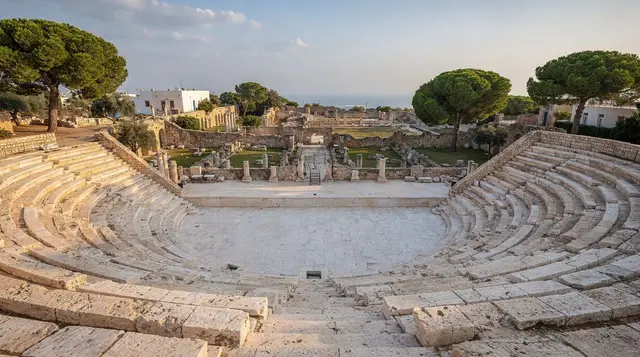
Every photograph I’d seen of Hammamet before arriving in January showed the same thing: packed beach clubs, turquoise water, sun loungers in tidy rows. None of it prepared me for what I actually found — a resort strip largely closed for the season, a handful of hotels running on skeleton staff, and a medina that felt, if anything, more genuinely alive than the summer version I’d half-expected. Out-of-season Hammamet is a different town from the one in the brochures, and whether that’s a disappointment or a discovery depends entirely on what you came for.
| Where | Hammamet’s medina and coastal resort strip, roughly 65km south-east of Tunis |
| Cost | Hotel rates drop sharply in winter — often 40–60% below peak summer pricing |
| Time needed | Two to three days covers the medina and a day trip comfortably |
| Getting there | Enfidha-Hammamet airport is closest; Tunis-Carthage plus a transfer also works |
| Best time to avoid crowds | December through February, accepting cooler water and closed beach clubs |
What actually closes for winter
The resort strip north of the old town — the stretch of large hotels, beach clubs, and water sports outlets built for package tourism — runs at a fraction of its summer capacity from roughly November through March. Some hotels close entirely; others stay open with a single restaurant running and most of the grounds quiet. Beach clubs that charge for loungers in summer either close outright or stop charging, since there’s rarely a crowd left to manage.
If your image of Hammamet is built entirely around that strip, winter will genuinely disappoint you, and I’d say so plainly rather than talk you into a trip that won’t deliver what you’re picturing. Our Hammamet destination guide and guide to the beaches of Hammamet both cover the full-season version for comparison.
What stays open, and stays busy
The medina is the opposite story. Hammamet’s old town, smaller and less overwhelming than the medina in Tunis, runs on local commerce as much as tourism, and in January that meant shops, cafés, and the daily market carrying on much as they would any other month. I found this the most pleasant surprise of the whole trip — a medina I could walk through without being the obvious center of every shopkeeper’s attention, since there simply weren’t enough visitors around for that dynamic to dominate. Our Hammamet medina guide covers the layout and highlights in more detail than a single winter visit can capture.
a guided tour of Dar Sebastien and the medina turned out to be a good way to spend a slower winter afternoon — Dar Sebastien’s grounds in particular felt genuinely peaceful without the crowds a summer visit would bring, and having a guide fill in the history made the quiet more interesting rather than simply empty.
The beach, honestly
I did walk the beach most mornings, and I want to be honest that it was cold enough — low teens Celsius on the coolest days — that swimming wasn’t really on the table, though a handful of visibly hardier visitors did go in briefly. What the beach did offer was space: long stretches with almost nobody on them, a genuinely different experience from the crowded summer version most photographs show. If a beach holiday specifically is the goal, winter Hammamet won’t deliver it. If a quiet coastal walk is closer to what you actually want, it delivers that better than summer ever could.
| Season | Beach experience | Medina experience | Typical hotel rate |
|---|---|---|---|
| Summer (Jun–Aug) | Crowded, warm water, full beach clubs | Busy, more tourist-facing | Peak pricing |
| Shoulder (Apr–May, Sep–Oct) | Warm enough to swim, moderate crowds | Comfortable balance | Mid-range |
| Winter (Dec–Feb) | Cold, quiet, most clubs closed | Quiet, locally-driven, genuinely calm | Lowest, often 40–60% below peak |
A day trip that made more sense with fewer crowds
With the beach off the table for a couple of days, I used the time for a day trip inland to Kairouan, and it turned out to be a stronger use of a winter afternoon than trying to force a beach holiday that wasn’t really available. Kairouan’s own medina and the Great Mosque were considerably quieter than I’d expected too, and the drive itself — through countryside that was noticeably greener in January than the sun-baked summer photos I’d seen — felt like part of the appeal rather than dead time. Our guide to Kairouan, the fourth holy city of Islam covers what to expect at the Great Mosque and around the medina.
a half-day guided tour to Kairouan with hotel pickup handled the logistics of that day trip without requiring a rental car, which felt like the right trade-off given how little else was competing for my time that particular afternoon.
Extending the day trip to El Djem
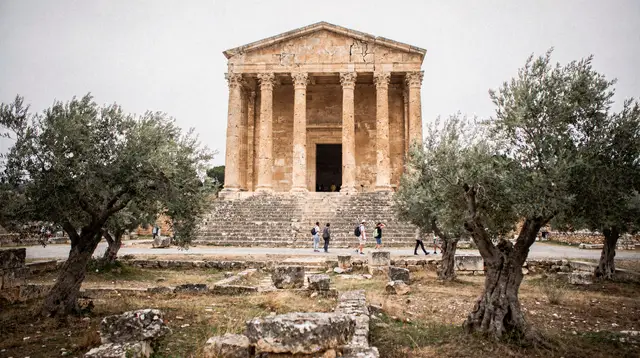
On a second, longer day, I extended the same logic further south to El Djem, whose Roman amphitheatre is one of the better-preserved anywhere in North Africa and — again — was considerably less crowded than summer accounts had led me to expect. It’s a longer day from Hammamet than Kairouan alone, but combining both destinations in one trip made sense given how much travel time either one demands on its own. Our El Djem amphitheatre guide is worth reading before you go, since the site rewards a bit of context that isn’t obvious from just walking through it.
a combined Kairouan and El Djem day trip covers exactly this pairing in a single guided day, which is how I’d recommend doing it if a rental car isn’t part of your plan — the distances involved make a single long guided day more comfortable than trying to arrange two separate outings.
Yasmine Hammamet, the newer resort zone
I also spent an afternoon in Yasmine Hammamet, the purpose-built resort development south of the old town, mostly out of curiosity about how a newer, more manufactured tourist zone would feel in the off-season. The answer was: emptier still, and slightly eerie in places, with entire sections of restaurants and shopfronts shuttered for the winter. It’s worth a look if you’re already in the area, but I wouldn’t make a special trip for it outside peak season. Our Yasmine Hammamet destination guide covers what it looks like in full swing, for comparison.
Weather, realistically
Daytime temperatures through my visit sat mostly in the mid-teens Celsius, occasionally touching the high teens on clear afternoons, with a few genuinely rainy days that kept me indoors or in cafés rather than walking. This matched roughly what I’d read beforehand, though I’d underestimated how much the wind off the sea made the cooler days feel colder than the thermometer suggested. Our Tunis weather, month by month, best time to visit guide, and seasonal things to do hub all cover the wider pattern, which broadly holds for Hammamet as well.
Who winter Hammamet actually suits
It suits travellers who want the medina, the day trips, and lower prices more than the beach club scene — people who’d rather explore than sunbathe, essentially. It doesn’t suit anyone whose main image of the trip involves lounging poolside or swimming daily, since neither is realistically on offer for much of the winter. I’d also flag that a longer weekend-length itinerary built around Tunis with a Hammamet add-on works better in winter than a Hammamet-centred week does, simply because there’s more indoor and cultural material to fill days when the beach isn’t an option.
Mistakes to avoid
Frequently asked questions about visiting Hammamet out of season
Is Hammamet worth visiting in winter?
Yes, if you’re going for the medina, day trips, and lower prices rather than the beach. As a swimming-focused beach holiday, winter Hammamet doesn’t deliver; as a quieter cultural trip, it works well.
What’s actually open in Hammamet during winter?
The medina, most restaurants within it, and a reduced set of hotels. The resort strip’s beach clubs and many larger hotels either close entirely or run at reduced capacity from roughly November through March.
How cold does it get in Hammamet in January?
Daytime temperatures typically sit in the low-to-mid teens Celsius, occasionally reaching the high teens on clear days, with coastal wind making it feel cooler than the number alone suggests.
Are hotel prices actually cheaper in winter?
Substantially — often 40 to 60% below peak summer rates for comparable rooms, which is one of the strongest arguments for an off-season trip if budget is a consideration.
Is a day trip to Kairouan or El Djem a good use of a winter day?
Very much so. With the beach largely unavailable, both sites benefit from smaller winter crowds and make for a more rewarding day than trying to force a beach-focused itinerary that winter can’t really support.
Does Yasmine Hammamet stay open in winter?
Partially — some restaurants and hotels remain open, but large sections shutter for the season, and it feels noticeably emptier than the old medina area, which stays more consistently active.
Is it worth combining Hammamet with Tunis in a winter itinerary?
Yes, and I’d lean toward Tunis as the primary base with Hammamet as an add-on in winter specifically, since Tunis offers more indoor and cultural material for the season’s shorter, cooler days.
Will I need a jacket, or is a light layer enough?
Bring a proper jacket rather than just a light layer. Evenings in particular get cold enough by the coast that a single layer isn’t sufficient, even if daytime temperatures feel manageable.
Hammam & wellness experiences
Verified deep-linked GetYourGuide tours. Book through these links and we earn a small commission at no cost to you.
These are our own photographs of Tunisia, not the operator's pictures of this tour — open the tour page to see those.