The best time to visit Tunis
What is the best time to visit Tunis?
Late March to May and late September to early November give the best balance of mild weather, manageable crowds and reasonable prices. Summer is hot and busy on the coast but fine in Tunis itself with sensible pacing, and winter is quiet and cheap with cooler, occasionally wet days that still allow full sightseeing.
There isn’t a single correct answer to when you should visit Tunis, because the city and the country around it don’t run on one calendar. Tunis itself, with its Mediterranean climate, is genuinely pleasant for most of the year and forgiving even in summer if you pace the day around the heat.
The Sahara, a common add-on for anyone spending more than a few days in the region, runs on a much harsher schedule where summer heat is a real obstacle rather than an inconvenience. Ramadan shifts the rhythm of the whole country regardless of the month it falls in. This guide sets out how those different calendars interact, so you can pick a window that suits what you actually want from the trip rather than a generic “best month” that ignores half the relevant detail.
| Best overall | Late March–May and late September–early November |
| Cheapest | December–February, outside the Christmas and New Year window |
| Hottest | July–August, particularly inland and in the Sahara |
| Busiest on the coast | July–August, driven by European summer holidays |
| Ramadan | Dates shift roughly 10–11 days earlier each year; check before booking |
The short version, season by season
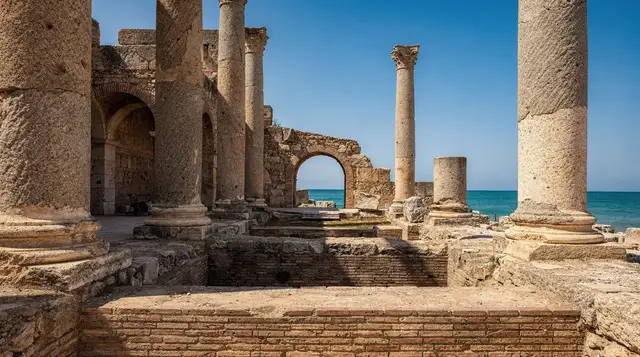
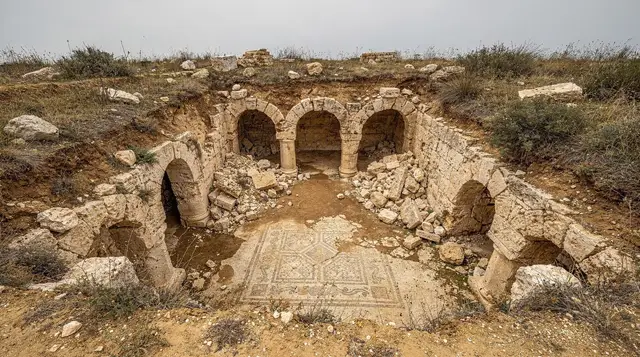
Spring, roughly late March through May, is the season most seasoned visitors point to first, and for good reason: daytime temperatures in Tunis typically sit in the high teens to mid-twenties Celsius, wildflowers are out around the Roman sites at Dougga and Bulla Regia, and the crowds that fill the medina and Sidi Bou Said in high summer haven’t arrived yet.
Tunis in spring covers this window in detail. Autumn, from late September into early November, mirrors spring closely in temperature and comfort, with the added benefit of a sea still warm enough to swim in along the coast at Gammarth or La Marsa; Tunis in autumn goes through what’s different about the back half of the year.
Summer, July and August specifically, is genuinely hot, often into the mid-to-high thirties Celsius in Tunis and hotter still inland toward Kairouan and the interior. It’s also when the coastal resort towns, Hammamet, Sousse, Nabeul, fill up with European package holidaymakers, and prices for accommodation along the coast climb accordingly. Tunis in summer covers how to manage the heat if this is the only window your schedule allows.
Winter, December through February, is the quiet season: cooler, sometimes wet for a few days at a stretch, but rarely cold enough to disrupt sightseeing, and by far the cheapest and least crowded time to see the Bardo museum or walk the medina without competing for space. Tunis in winter has the specifics.
| Season | Tunis daytime temps | Coastal crowds | Prices | Best for |
|---|---|---|---|---|
| Spring (Mar–May) | 17–25°C | Low to moderate | Moderate | Balance of everything |
| Summer (Jun–Aug) | 28–38°C | High | High on the coast | Beach time, warm evenings |
| Autumn (Sep–Nov) | 20–28°C | Moderate, tapering | Moderate | Warm sea, thinner crowds |
| Winter (Dec–Feb) | 12–17°C | Low | Low | Budget trips, quiet sightseeing |
What actually changes between the seasons
The heat is the obvious variable, but it isn’t the only one worth planning around. Museum and archaeological site visits, the Bardo, Carthage, Dougga, are genuinely more comfortable outside the peak summer months, since much of the walking at Roman sites happens with little shade.
Dougga: the best-preserved Roman town in North Africa and Carthage archaeological sites: a complete visitor guide both involve an hour or more on foot across exposed ground, considerably more pleasant in April than in August. The medina’s souks stay busy year-round since they’re a working commercial district, not a seasonal attraction, though the narrow covered lanes offer natural shade that makes summer visits there more manageable than open-air sites.
Sahara excursions run on their own separate logic entirely. The Sahara in summer: how hot is too hot goes into this properly, but the short version is that daytime desert heat from June through August is a genuine safety consideration, not just discomfort, and most operators adjust itineraries, earlier starts, more shade breaks, around it. Spring and autumn are markedly better windows for a Douz or Ksar Ghilane excursion, and winter days in the desert are often ideal, cool but not cold, with clear skies.
A local experience in Kairouan combining the Great Mosque with a home visit works well in almost any season, since it’s built around indoor and shaded elements, one of the more forgiving day trips if your dates fall in the hottest stretch of summer.
Ramadan: the variable that doesn’t follow the seasons
Ramadan follows the Islamic lunar calendar, so it shifts roughly ten to eleven days earlier each year and can fall in any season depending on the year of your trip. Travelling in Tunisia during Ramadan and eating in Tunis during Ramadan both cover the practical adjustments: many cafés and restaurants outside tourist zones close or reduce hours during daylight, while evenings after sunset take on a genuinely festive, busy character worth experiencing if your schedule allows.
It isn’t a reason to avoid Tunis, but it does change the daytime rhythm of the city, and it’s worth checking the current year’s dates before booking rather than assuming they match a previous trip or a rough seasonal guess.
Festivals and events worth timing a trip around
A handful of annual events are worth building a visit around rather than simply working around. The Carthage international festival, held across summer at the Roman theatre on Byrsa hill, draws major regional and international performers to one of the most atmospheric concert settings in North Africa, and it’s a genuine reason to accept the summer heat for a few days if the programme lines up with your dates.
Festivals and events in Tunis covers the wider annual calendar, including smaller cultural and religious events scattered through the year that rarely make it into general planning guides but can add real texture to a trip timed around them.
A full-day tour across the Tunis governorate is a reasonable way to sample several sights, the medina, Carthage, Sidi Bou Said, in one outing regardless of season, and useful if your trip window is short and you want to prioritise coverage over depth.
Pricing patterns worth knowing
Flight and hotel prices to the Tunis area follow European holiday demand closely, spiking around July and August and again briefly around Christmas and New Year, with December’s off-peak weeks (excluding the holiday period itself) and the whole of January and February typically the cheapest stretch of the year. What a trip to Tunis actually costs breaks this down with more specific figures across categories, accommodation, food, transport, but the pattern holds broadly: shoulder season (spring and autumn) sits in the middle, and genuine winter travel, outside the holiday fortnight, is where the real savings are.
| Booking window | Flight/hotel demand | Relative cost |
|---|---|---|
| July–August | Very high | Highest |
| Late December–early January | High | High |
| March–May, Sep–Nov | Moderate | Moderate |
| Jan–Feb, mid-Nov, most of Dec | Low | Lowest |
A half-day tour to Dougga from Tunis is one of the excursions that benefits most from a cooler-season booking, since a good part of the visit happens on foot across an exposed hillside site with limited shade.
Matching the season to your priorities
If beach time matters more than avoiding crowds, summer is still the right call despite the heat and higher prices, since the coastal towns are genuinely built for that season and the sea is at its warmest. If archaeological sites and museum visits are the priority, spring or autumn deliver noticeably more comfortable conditions for walking around Dougga, Carthage or Bulla Regia without the crowds that summer brings to the more accessible sites.
If budget is the dominant constraint, winter (outside the holiday fortnight) offers the lowest prices across flights, hotels and even some tour operators, at the cost of shorter days and occasional wet weather. How many days do you need in Tunis? is worth reading alongside this if you’re still finalising the shape of the trip.
A day trip covering Hammamet, Sousse, Kairouan and El Jem’s UNESCO sites is a long but comprehensive option worth considering if your visit window is tight and you want to cover several major sights in one carefully planned day, in any season outside the hottest weeks of high summer.
Who should avoid which season
Anyone with heat sensitivity, small children who tire quickly, or plans to spend serious time at outdoor archaeological sites should be cautious about a July or August trip, particularly if the itinerary includes the interior or a Sahara excursion. Anyone whose trip depends heavily on long beach days and warm evenings should think twice about a January or February visit, since the sea is genuinely cold and many coastal resort facilities scale back for the off-season. Everyone else has a reasonably wide window that works.
Mistakes to avoid
Frequently asked questions about the best time to visit Tunis
Is spring or autumn better for a first visit to Tunis?
Both are strong choices with similar temperatures; autumn has the edge for beach time since the sea stays warm into October, while spring has slightly more reliably dry weather and wildflowers around the archaeological sites.
Is Tunis too hot to visit in July and August?
Not unbearable, but genuinely hot, particularly inland. Tunis itself is manageable with sensible pacing, shaded lunch breaks and earlier starts; the Sahara and interior sites are a bigger concern in that window.
When are hotel and flight prices lowest?
January and February, along with most of December outside the Christmas and New Year fortnight, are typically the cheapest booking windows for both flights and accommodation.
Does Ramadan affect tourists visiting Tunis?
It changes daytime rhythms, some restaurants and cafés reduce hours outside tourist areas, but it doesn’t prevent sightseeing, and evenings after sunset are often lively and worth experiencing.
Is winter in Tunis too cold or wet for sightseeing?
No. Daytime temperatures typically stay in the low-to-mid teens Celsius, rarely dropping to anything close to freezing, and rain tends to arrive in short spells rather than washing out entire weeks.
When is the sea warm enough to swim along the Tunis coast?
Roughly June through early October, with July and August the warmest. Late September and early October are a good compromise between warm water and thinner crowds.
Should I plan my trip around a specific festival?
If the Carthage international festival’s summer programme includes an act you’d genuinely travel for, yes, it’s a strong reason to accept the summer heat for a few days. Otherwise, prioritise the season that fits your other goals first.
Is there a genuinely bad time to visit Tunis?
Not really, though a July or August Sahara extension without careful heat planning, and a January beach-focused trip, are the two combinations most likely to disappoint against expectations.
Seasonal experiences on GetYourGuide
Verified deep-linked GetYourGuide tours. Book through these links and we earn a small commission at no cost to you.
These are our own photographs of Tunisia, not the operator's pictures of this tour — open the tour page to see those.