Cooking classes in Tunis and around
Is a cooking class in Tunis actually worth the time?
For most first-time visitors, yes — a half-day class in a home kitchen teaches more about how Tunisian food actually works, harissa, couscous, brik, than a week of restaurant meals does. Choose a market-first format if you want to understand ingredients and pricing, or a straightforward kitchen class if your time is tighter.
Restaurant meals in Tunis tell you what Tunisian food tastes like; a cooking class tells you why it tastes that way. Most classes run three to four hours in a home or small dedicated kitchen, cover two or three dishes from the everyday repertoire, harissa-based stews, couscous, brik, and end with the group eating what they made rather than being served something pre-cooked. This page compares the actual formats on offer around Tunis and the nearby coast, what each one includes, and which suits a short city break versus a longer trip with more time to spend.
| Where | Home kitchens and small culinary studios in Tunis, La Marsa and Hammamet |
| Cost | Roughly 100–220 TND (about €30–65) for a half-day class, more for multi-day formats |
| Time needed | 3–4 hours for a standard class; a full day if a market visit is included |
| Getting there | Most operators arrange pickup from central Tunis or coastal hotels |
| Best time | Year-round; book a day or two ahead in peak season (spring and autumn) |
What a standard cooking class actually covers
A typical Tunis cooking class runs three to four hours, starting with a short introduction to the spices and staples that anchor Tunisian cooking, tabil, caraway, harissa, before moving into hands-on preparation of two or three dishes. Couscous, made properly rather than the instant version most visitors will have had at home, is a near-constant fixture, alongside a harissa-based stew or a brik, the thin, crisp pastry parcel usually filled with egg, tuna and parsley and fried until the outside crackles.
Groups are generally small, often under ten people, and the format is hands-on rather than a demonstration you watch from a distance — you’re chopping, mixing and shaping the dough yourself, not just tasting a finished plate. Most classes end by sitting down together to eat what’s been cooked, which is as much a social element of the booking as the cooking itself.
Home kitchen versus market-first format
The clearest split between operators is whether the class starts in the kitchen or at a market. A straightforward kitchen class, like a traditional Tunisian cooking class with Jiji in Tunis, gets you cooking within the first half hour, which suits a tighter schedule or a visitor who’s already spent time exploring markets independently and doesn’t need that piece repeated.
A market-first format instead opens with a walk through a local market to buy the day’s ingredients before returning to cook, giving a fuller sense of where the produce, spices and fish actually come from and what they cost, at the expense of adding roughly an hour to the total booking. Which suits you depends mostly on how much of your trip you’ve already spent in markets versus how much time you have left.
Comparing the main class formats
| Format | Typical length | Best for | Market included |
|---|---|---|---|
| Home kitchen class | 3–4 hours | Tight schedules, focused cooking | No |
| Market-first class | 4–5 hours | Understanding ingredients and pricing | Yes |
| Traditional dress workshop | 2–3 hours | A shorter, more casual session | No |
| Multi-day culinary tour | 2–3 days | Longer trips, wanting more depth | Partially |
Tunis versus the coast: where to book
Cooking classes cluster in two places: central Tunis and La Marsa, and the Hammamet coastal resort area. A traditional Tunisian cuisine cooking class in Tunis is the more straightforward option if you’re based in the capital, generally in a home or small studio kitchen with a Tunisian host rather than a large commercial setup.
On the coast, a cooking workshop in traditional dress in Hammamet runs shorter and more casually, often built around a resort schedule, with the added novelty of cooking while wearing traditional Tunisian clothing, a genuinely popular add-on for travellers who want something a little more photogenic than a standard kitchen session. Neither location is objectively better; it mostly comes down to where the rest of your trip is based, since transferring from Hammamet into Tunis purely for a class adds a couple of hours each way.
What you actually learn, dish by dish
Harissa is where most classes start, since it underpins so much of what follows — you’ll typically grind or blend chillies, garlic and toasted caraway into a working paste before it goes into anything else. Couscous comes next in most formats, and the hands-on steaming and steaming-again process most home cooks use is genuinely different from anything achieved by following a packet’s instructions, which is arguably the single most useful technique a class teaches, since it’s the dish most visitors will actually attempt again at home.
Brik, the fried egg-and-tuna pastry, tends to be the dish people enjoy making most, given the satisfying speed of folding and frying it, even though getting the yolk to stay intact through the fold takes more than one attempt for most beginners. For background on these dishes before you book, couscous and brik, explained and harissa and the Tunisian spice cupboard both go into more detail than a class alone will cover.
Multi-day formats, for a longer trip
For travellers with more time and a genuine interest in food beyond a single afternoon, a 3-day culinary and desert adventure tour from Tunis combines cooking sessions with travel further south, folding food into a broader trip rather than treating it as an isolated city activity. It’s a considerably bigger commitment in both time and cost than a single afternoon class, and suits travellers who see food as a central reason for the trip rather than one activity among many, or who were already planning a desert excursion and would rather have cooking built into it than book the two separately.
Dietary needs and language
Most established operators can accommodate vegetarian requests without much difficulty, since several core dishes, couscous with vegetables, several stews, work fine without meat; more specific dietary restrictions are worth flagging directly with the operator before booking rather than assuming they’ll be handled on the day. Classes generally run in English as well as French, with hosts used to explaining technique to visitors who don’t speak Arabic or French, though it’s still worth confirming the language of a specific booking if that matters to you, since smaller, more informal home-kitchen setups vary more than larger commercial operations.
What to bring, and what to wear
Most classes provide aprons and any equipment needed, so there’s no real preparation required beyond showing up on time and wearing something you don’t mind getting a little flour or oil on. Closed shoes are sensible in a working kitchen rather than sandals, and it’s worth tying back long hair before a session that involves an open flame or hot oil for frying brik.
A notebook or a phone for photos of the steps is genuinely useful afterward, since most classes move at a pace that doesn’t leave much time to write things down mid-session, and a printed recipe card, if the operator provides one, is easy to lose track of once you’re home and trying to recreate a dish from memory instead. For a broader sense of what else is on offer in the same food-and-drink category, see the food and drink hub, and for cost planning, what a trip to Tunis actually costs and the budget planning tool both help put a class’s price into context.
Fitting a class into a short trip
A single afternoon or morning class fits comfortably into a two- or three-day Tunis visit without displacing much else, and pairs naturally with a day otherwise spent in the medina or at Carthage. Two days in Tunis and three days in Tunis both have room for a half-day class without crowding out the main sights, and if food is a genuine priority for your trip rather than an add-on, it’s worth building the itinerary around it from the start rather than squeezing it in at the end.
Tunisian food: a first-timer’s guide is a useful primer to read before a class, since arriving with some sense of what you’re about to cook makes the session more useful than going in blind.
Booking ahead versus last-minute
Classes with small group sizes, particularly home-kitchen formats, fill up faster in peak travel seasons, spring and autumn especially, than the more commercial coastal workshops, which tend to run more frequently and can often accommodate a booking made a day or two out. If a specific class or date matters, booking before arrival is the safer approach; if your schedule is flexible, checking availability once you’ve settled into Tunis is usually fine outside the busiest weeks.
Mistakes to avoid
Frequently asked questions about cooking classes in Tunis
How long does a typical Tunis cooking class last?
Most run three to four hours, longer if a market visit is included at the start. Multi-day culinary tours run considerably longer and combine cooking with travel further afield.
Do I need any cooking experience to join?
No. Classes are designed for beginners, with hosts guiding each step, and no prior experience is assumed or required.
What dishes will I actually cook?
Couscous and a harissa-based dish are near-constant fixtures, with brik, the fried egg-and-tuna pastry, appearing in many formats too. The exact menu varies by operator and season.
Is a market-first class worth the extra time?
If understanding where ingredients come from and what they cost matters to you, yes. If your schedule is tighter, a straightforward kitchen class covers the cooking itself just as well.
Should I book a class in Tunis or on the Hammamet coast?
It depends on where your trip is based. Transferring purely for a class from one to the other adds a couple of hours each way, so choose based on your existing base rather than perceived quality.
Can vegetarians join a Tunisian cooking class?
Generally, yes — several core dishes work without meat. It’s worth confirming with the specific operator ahead of booking rather than assuming on the day.
Do classes run in English?
Most established operators run classes in English as well as French, though it’s worth confirming for a specific smaller, home-kitchen booking if language matters to you.
How far ahead should I book a cooking class?
A day or two ahead is usually enough outside peak season. In spring and autumn, smaller home-kitchen classes can fill up, so booking before arrival is the safer approach if a specific date matters.
Tunis food & drink tours on GetYourGuide
Verified deep-linked GetYourGuide tours. Book through these links and we earn a small commission at no cost to you.
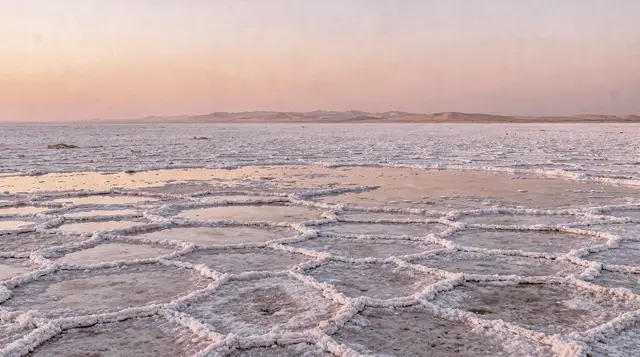
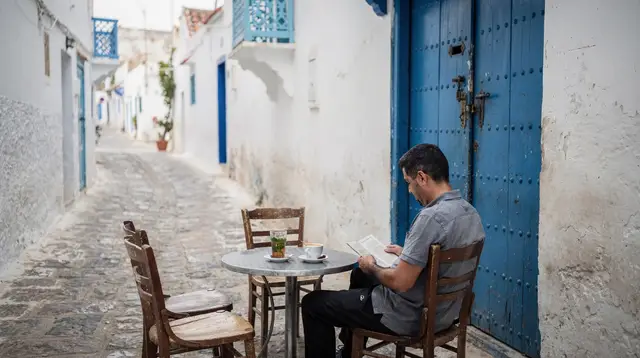
These are our own photographs of Tunisia, not the operator's pictures of this tour — open the tour page to see those.