Money and payments in Tunisia
What's the best way to get Tunisian dinars?
Withdraw them from an ATM after you land, since the dinar is a closed currency you can't buy abroad. Bring a debit or credit card with low foreign transaction fees, plus a small amount of euros or dollars as a backup, and expect to rely on cash more than cards once you're outside central Tunis.
Money in Tunisia works differently enough from most European travel that it’s worth understanding before arrival rather than figuring it out on the fly. The dinar is a closed currency, cash still dominates outside the main hotels and restaurants, and prices genuinely vary a lot between a tourist-facing café in La Marsa and a neighbourhood spot in the medina, in ways that reward a bit of local pricing knowledge.
This guide covers currency, cards, ATMs, typical costs and tipping, aimed at getting the practical basics right from day one rather than working them out through trial and error. If you’re still shaping the trip itself, the Tunis trip planning guide and the visa and entry guide are good companions to read alongside this one.
The Tunisian dinar, and why you can’t pre-buy it
The Tunisian dinar (TND) is a closed currency, meaning it can’t legally be bought or sold outside Tunisia’s borders. That rules out the usual pre-trip habit of picking up local currency at a home-country exchange bureau — plan instead to withdraw dinars from an ATM shortly after arrival, or exchange foreign cash at a bank or licensed bureau once you’re in the country. There’s also a legal limit on how many dinars can be taken out of Tunisia on departure, which matters more for longer stays or unusually large cash withdrawals than for a typical week-long holiday, but it’s worth knowing rather than ending a trip with a large, unspendable pile of local notes.
Cards versus cash
Foreign card networks generally work without issue at Tunisian ATMs and card terminals, though it’s worth notifying your bank of travel dates beforehand if that’s your bank’s usual practice, since an unexpected international transaction can occasionally trigger a temporary block that’s more hassle to resolve from abroad than to prevent in advance.
Card acceptance has expanded steadily in Tunis, and most mid-range and upmarket hotels, chain-style restaurants, and larger shops in the Ville Nouvelle and coastal resorts now accept cards without issue. That acceptance drops off quickly in the medina, in smaller family-run restaurants, and in towns outside Tunis, where cash remains the default and sometimes the only option. A sensible approach is treating cards as reliable for accommodation and bigger purchases while carrying enough cash for daily spending — meals, taxis, souk purchases, site entry fees — throughout the trip.
| Payment method | Where it works well | Where it doesn’t |
|---|---|---|
| Card (Visa/Mastercard) | Hotels, larger restaurants, chain shops | Medina stalls, small eateries, louages |
| Cash (TND) | Everywhere | — |
| Contactless | Increasingly common in Tunis proper | Rare outside the capital |
| Foreign cash (EUR/USD) | Exchange bureaus, some hotels | Direct payment rarely accepted |
ATMs and exchange
ATMs are common throughout central Tunis and in most towns of any size, generally offering reasonable exchange rates through the card network rather than the inflated rates sometimes seen at airport exchange counters. Using ATMs attached to bank branches rather than standalone street machines is a sensible, low-effort precaution against the rare card-skimming risk, no different from the same advice anywhere else. Exchanging foreign cash — euros and US dollars are both widely accepted — works at banks and licensed exchange bureaus, and it’s worth keeping the exchange receipt in case you need to convert leftover dinars back before departure, since that process typically requires proof of the original exchange.
A private full-day Tunisia highlights tour is worth considering for a first day if you’d rather not navigate cash logistics and site entry payments independently while still adjusting to the currency and typical price points.
Your first cash needs usually come right after landing, for a taxi or a ticket into town. The Tunis-Carthage airport guide explains what the arrival hall looks like, and the taxis in Tunis guide covers how fares work once you’re in the car, so you know what small notes to have ready.
What things actually cost
Prices vary meaningfully by location — a coffee in a tourist-facing café in Sidi Bou Said costs noticeably more than the same coffee two streets back in a neighbourhood spot, and hotel restaurants in Hammamet or Gammarth price closer to southern European levels than the rest of the country. As a general orientation rather than a fixed rate card: a simple café meal runs modestly, a sit-down restaurant dinner costs more but remains reasonable by European standards, and taxi rides within Tunis are inexpensive if the meter is used or a fair price is agreed upfront.
| Item | Typical cost (TND) | Approx. EUR |
|---|---|---|
| Coffee, café | 3-6 TND | €0.85-1.70 |
| Simple café meal | 12-20 TND | €3.50-5.70 |
| Mid-range restaurant dinner | 35-70 TND | €10-20 |
| Short taxi ride in Tunis | 5-12 TND | €1.40-3.40 |
| Louage between nearby towns | 8-20 TND | €2.30-5.70 |
| Museum or site entry | 12-30 TND | €3.40-8.60 |
Treat these as an order of magnitude rather than a guarantee, since prices shift over time and vary by exact location. Our currency conversion tool and Tunis budget guide both go into more day-by-day detail.
Tipping
Tipping in Tunisia is customary but more modest than in the US, and closer in spirit to southern European norms — rounding up or adding a small percentage for good restaurant service, a few dinars for a taxi driver who’s been helpful with luggage, and a similar small gesture for a guide on a day trip. It’s appreciated rather than strictly obligatory, and over-tipping at Western rates isn’t expected and can even feel out of step with local norms. See tipping in Tunisia for specific guidance by service type.
Sales tax and price transparency
Prices displayed in shops and restaurants generally already include applicable taxes, so the number on the menu or price tag is what you’ll actually pay, without the surprise of an added tax line at checkout that’s common in some other countries. Museums and archaeological sites occasionally have a separate, small photography or camera permit fee on top of the standard entry ticket, which is worth asking about at the ticket counter if you’re planning to photograph extensively, since it isn’t always signposted clearly. Restaurant menus in more touristed areas sometimes list prices in both dinars and euros for convenience, though payment itself is still typically processed in dinars regardless of which currency is displayed.
Cash in everyday situations
Cash matters most in the situations where you can’t pay by card: shared transport, street food and small cafés. The louages explained guide shows how shared taxis work, and the street food in Tunis guide is a good reminder that the best snacks are paid for in coins and small notes. Our first-time impressions of Tunis and the personal account in is Tunis expensive? give a traveller’s-eye view of how this feels in practice.
Bargaining and pricing in the souks
Prices in the souks of the Tunis medina are frequently set with negotiation built in, unlike fixed-price shops in the Ville Nouvelle or coastal resort towns. This isn’t a scam or an attempt to overcharge tourists specifically — it’s the standard local pricing convention, and it’s worth engaging with rather than either overpaying out of discomfort or refusing to negotiate at all. Our guide on bargaining in a Tunisian souk covers the practical approach in more depth, including how it differs from a straightforward fixed-price transaction.
Budgeting for longer trips beyond Tunis
Costs shift once an itinerary extends beyond the capital. Coastal resort areas around Hammamet and Sousse often price closer to, or occasionally above, central Tunis levels, particularly for hotel dining, while smaller inland towns and the Sahara region tend to run cheaper for food and basic accommodation but can carry higher relative transport costs given the distances involved. A seven-day tour from north to south bundles transport, guiding and often some meals into a single upfront price, which some travellers prefer over managing a fluctuating daily cash budget across a longer, more varied route.
For a shorter regional trip, a two-day tour to Bizerte and Tabarka with an overnight similarly bundles the main costs of a short excursion, which simplifies budgeting for travellers who’d rather not calculate accommodation, transport and guiding separately for a two-day trip.
Mobile payment and digital wallets
Mobile payment apps and contactless digital wallets remain far less common in Tunisia than in much of western Europe, and relying on a phone-based payment system as your primary method is likely to leave you stuck in a meaningful share of transactions, particularly outside the largest hotels and chain-style venues in central Tunis. Some larger, more internationally oriented businesses have started accepting contactless card payments, including via phone, but this shouldn’t be assumed as a default anywhere in the country yet. A physical card and a reasonable cash reserve remain the more dependable combination for a Tunisia trip than leaning on digital wallets the way you might in London or Amsterdam.
If you’re buying crafts, the souks of Tunis guide and the story in learning to bargain badly show how the negotiating side of spending money plays out, and tourist traps and scams in Tunis is worth a read before you hand over cash to anyone unfamiliar.
Currency fluctuation and planning ahead
The dinar’s value against major currencies has moved meaningfully over recent years, generally in a direction that’s kept Tunisia affordable relative to southern Europe even as headline prices in dinar terms have risen somewhat with local inflation.
This matters mainly for trip budgeting done well in advance — a budget calculated months before travel using an older exchange rate can be noticeably off by the time you arrive, so it’s worth rechecking the current rate close to departure rather than relying on a number looked up at the time of booking. Our currency tool reflects current conversion rates rather than a fixed historical figure, which makes it a more reliable reference than an old blog post’s dinar prices.
Paying for tours and organised excursions
Many day trips and multi-day tours booked in advance, including through GetYourGuide, are paid in your home currency at the time of booking rather than in dinars on the day, which removes a layer of currency and cash-management complexity for that portion of your trip. It’s still worth carrying some local cash for incidentals during an organised tour — a tip for the driver or guide, a drink or snack stop not included in the package — even when the core cost of the excursion itself has already been settled online before you ever land in Tunisia.
Practical money habits worth adopting
Carrying a mix of denominations helps in the medina and with taxis, where drivers and smaller vendors don’t always have change for larger notes. Keeping a small emergency cash reserve separate from your main wallet is a sensible general travel habit rather than a Tunisia-specific concern, and it matters slightly more here given cash’s continued dominance outside central hotels and restaurants. A day trip to discover Kairouan and El Jem is a good example of a booked-in-advance excursion where most costs are settled before departure, reducing the amount of cash you need to carry for that particular day.
Mistakes to avoid
Frequently asked questions about money in Tunisia
Can I use euros or US dollars directly in Tunisia?
Rarely for everyday purchases — most transactions expect dinars. Foreign cash is useful mainly for exchanging at banks or bureaus, not for paying directly in shops or restaurants.
Are ATMs reliable throughout Tunisia, or just in Tunis?
ATMs are common in most towns of reasonable size, including Hammamet, Sousse and Kairouan, though they thin out in smaller villages and remote areas, where planning ahead with cash matters more.
What’s the best way to avoid high foreign transaction fees?
Check your card’s foreign transaction fee structure before travelling, and consider a card designed for low or no international fees if you’ll be withdrawing cash or paying by card frequently throughout the trip.
Is it safe to carry large amounts of cash in Tunis?
Ordinary precautions apply, similar to any city with pickpocketing risk in crowded areas — split cash between a wallet and a separate stash, and avoid carrying more than a day or two’s worth at once.
Do restaurants in Tunis typically include service charge automatically?
It varies by establishment; some add a service charge to the bill, in which case an additional large tip generally isn’t expected, while others leave tipping entirely at the customer’s discretion.
How much should I budget per day for a mid-range trip?
A mid-range daily budget covering accommodation, meals and local transport typically falls well under equivalent costs in southern Europe; see our budget guide for a detailed daily breakdown by travel style.
Can I pay for louages and taxis by card?
No, louages and the large majority of taxis operate on cash only, so keep enough small denominations on hand specifically for local transport.
Is haggling expected everywhere, or just in the souks?
It’s mainly a souk and informal-market convention. Fixed-price shops, restaurants, hotels and organised tours operate on set prices, and haggling isn’t expected or appropriate in those settings.
What happens to leftover dinars if I don’t spend them all, and are prices ever negotiable outside the souks?
You can reconvert a limited amount of leftover dinars back to foreign currency at the airport or a bank before departure, typically with your original exchange receipt, though it’s simpler to budget withdrawals to avoid a large leftover sum. Fixed-price businesses like hotels and car rental generally hold their listed rates, though hotel rates specifically can sometimes be negotiated for longer stays or quieter periods through a direct request rather than an expected haggling ritual.
Trip-planning essentials on GetYourGuide
Verified deep-linked GetYourGuide tours. Book through these links and we earn a small commission at no cost to you.
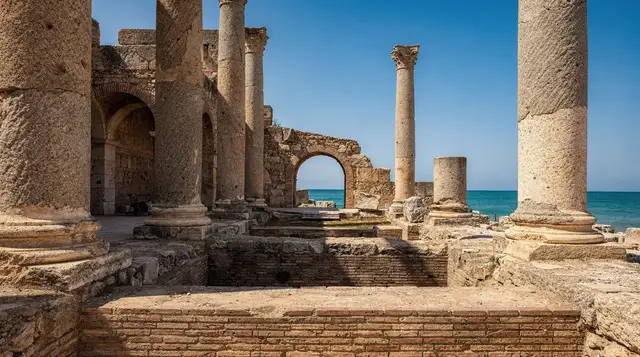
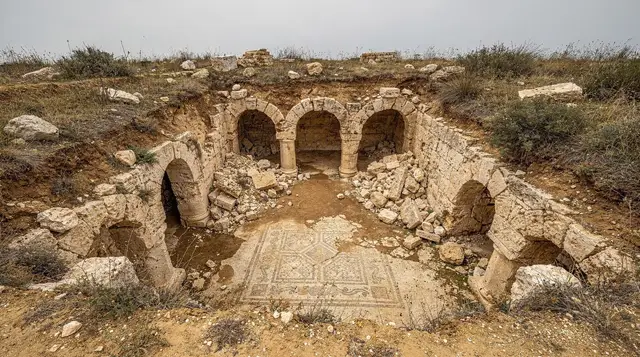
These are our own photographs of Tunisia, not the operator's pictures of this tour — open the tour page to see those.