Visas and entry rules for Tunisia
Do I need a visa to visit Tunisia?
Most visitors from the EU, UK, US, Canada and a long list of other countries don't need a visa for short tourist stays, typically up to 90 days depending on nationality. A small number of nationalities do need to apply in advance. Always confirm your specific nationality's rule before booking, since exemptions and durations vary.
Tunisia’s entry rules are more relaxed than many first-time visitors expect, which is exactly why it’s worth confirming the specifics for your own nationality rather than assuming. A large majority of visitors from Europe, North America and much of the rest of the world enter visa-free for tourism, but the allowed stay length varies by nationality, and a smaller group of nationalities does need to apply for a visa in advance.
This guide sets out what to check before you travel, what the arrival process actually looks like, and the practical passport and documentation details that occasionally trip people up.
Who needs a visa
Citizens of EU member states, the UK, the US, Canada, and a wide range of other countries can enter Tunisia for tourism without a visa, typically for stays of up to 90 days, though the exact permitted duration does vary by nationality and isn’t universally 90 days for every exempt country. Citizens of many countries outside this list — including much of sub-Saharan Africa, parts of Asia and some Middle Eastern nationalities — generally do need a visa arranged in advance through a Tunisian embassy or consulate.
Because the exemption list and permitted stay lengths change periodically, the only reliable approach is checking your specific nationality against Tunisia’s Ministry of Foreign Affairs guidance, or your nearest Tunisian embassy, close to your travel date rather than relying on older general summaries.
| Nationality group | Typical requirement | Notes |
|---|---|---|
| EU, UK | Visa-free | Duration varies by nationality, often up to 90 days |
| US, Canada | Visa-free | Duration varies by nationality |
| Most of Latin America | Visa-free for most countries | Confirm individually |
| Several African and Asian nationalities | Visa required in advance | Apply via embassy before travel |
| Long-stay or non-tourist purposes | Visa or permit required | Different process from tourist entry |
Passport requirements
Regardless of visa status, your passport should have a reasonable period of validity remaining beyond your planned stay — six months is the commonly cited safe margin, though Tunisia’s specific rule has at times differed slightly from that common standard, so check current requirements rather than assuming the six-month rule applies uniformly. Make sure there are enough blank pages for an entry stamp, and keep a digital or photocopy backup of the passport’s information page separate from the passport itself, a sensible habit for any international trip rather than something Tunisia-specific.
Arrival at the airport
Most international visitors land at Tunis-Carthage airport, a short distance from the city centre, where passport control for visa-exempt nationalities is generally straightforward — present your passport, sometimes alongside a completed arrival card depending on current procedures, and you’re stamped through. Travellers heading straight to the coast around Hammamet or Sousse sometimes fly into Enfidha-Hammamet airport instead, which follows a broadly similar arrival process. See the Tunis-Carthage airport arrival guide and the Enfidha-Hammamet airport guide for what to expect terminal by terminal, including transport onward into town.
A private full-day Tunisia highlights tour can be arranged to start with an airport pickup, which removes the need to sort ground transport independently on an arrival day when jet lag or an early landing time make that logistics step feel like more hassle than it’s worth.
Overstaying and extending your stay
Overstaying a permitted tourist entry, even briefly, can lead to fines or complications on departure, and it’s not worth risking to squeeze in a few extra days. If a trip is likely to run past your permitted stay length, look into a formal extension through the Tunisian immigration authorities well before your allowance runs out rather than assuming a short overstay will go unnoticed — enforcement at land and air departure points does happen. For most short holidays this simply isn’t a practical concern, since typical trip lengths sit well within the standard allowance, but it matters for longer, more open-ended visits.
What the arrival card and immigration questions typically cover
Where an arrival card is still in use, it typically asks for standard details — passport number, flight or transport details, purpose of visit, and planned accommodation address. Having your hotel or accommodation address written down or accessible on your phone before reaching the immigration desk speeds this along considerably, particularly during busy arrival periods when queues at Tunis-Carthage can build up around peak flight banks. Immigration officers occasionally ask a brief verbal question about the purpose or length of stay for tourist arrivals, which is routine rather than a sign of any particular scrutiny, and a straightforward answer is all that’s needed.
Currency and customs on arrival
Tunisia’s dinar is a closed currency that can’t legally be bought or sold outside the country, so don’t expect to arrive with dinars already in hand — withdraw or exchange money after arrival instead. There are declaration requirements for carrying large amounts of foreign cash into or out of the country, and unused dinars technically can’t be freely exported in unlimited amounts either, which matters more for longer stays or larger cash withdrawals than for a typical week-long holiday. See money and payments in Tunisia for the practical detail on cash, cards and exchange.
Travelling onward within North Africa
Some visitors combine a Tunisia trip with onward travel elsewhere in North Africa. It’s worth checking entry requirements for each destination separately rather than assuming a shared regional approach — visa rules between Tunisia, Morocco and Algeria, for instance, differ significantly from each other and shouldn’t be assumed to align. A two-day north Africa tour from Tunis or Hammamet with a night in Tabarka stays within Tunisia’s own borders despite the name, which is worth clarifying if you’re specifically looking for cross-border travel rather than a northern Tunisia loop.
Building a route once you’re cleared through arrivals
Once through immigration, many first-time visitors head straight into a structured itinerary rather than improvising from the airport. A seven-day tour from north to south is one way to use a full week’s visa-free allowance efficiently, covering the country’s range from Tunis down toward the south in a single organised route. For a shorter, single-day option closer to the capital, a day trip to Kairouan and El Jem is a practical way to use a spare day within a shorter, visa-free-length stay.
Business, study and other non-tourist entry
Tourist entry rules cover holiday visits, but anyone travelling for business meetings, longer study, work, or volunteering purposes should check whether a different category of visa or permit applies, since these often carry different documentation requirements and, in some cases, a different permitted stay length than tourist entry.
A short business trip involving a handful of meetings sometimes still falls under standard tourist entry rules depending on nationality and specific activity, but anything involving paid work performed in Tunisia, or a stay longer than the standard tourist allowance, generally needs a separate process arranged in advance. This is a common point of confusion for travellers combining a work trip with holiday time, and it’s worth resolving with the relevant embassy before booking flights rather than assuming tourist rules cover every scenario.
Land border entry from Algeria or Libya
Overland entry into Tunisia from neighbouring Algeria or Libya follows the same underlying visa and passport rules as air arrival, but the practical experience at land borders can differ significantly — processing times, required paperwork, and even which crossings are open to tourist traffic have varied over recent years depending on the regional security situation.
This is a more specialist route than the vast majority of visitors will use, since most trips to Tunisia begin and end by air, but if an overland border crossing is part of your plan, verify current conditions specifically for that crossing close to your travel date rather than relying on general country-level visa information, since border-specific conditions can change independently of the broader visa rules.
What changes if you’re travelling with a group or as part of a tour
Group tours and pre-booked package holidays sometimes streamline parts of the entry process — a tour operator may handle arrival transfers and have staff on hand at the airport, which reduces the logistical load on arrival day, particularly useful after a long-haul flight. The underlying visa and passport requirements stay the same for independent and group travel alike, however; every traveller, regardless of how the trip was booked, is individually responsible for meeting entry requirements for their own nationality. It’s a reasonable assumption that a tour operator handles ground logistics, not that they’ve verified your specific visa eligibility on your behalf.
Vaccination and health documentation
Tunisia doesn’t typically require proof of specific vaccinations for tourist entry from most countries, though requirements can shift, particularly around yellow fever certification for travellers arriving from certain countries where that disease is present. This is worth a quick check against current requirements before travelling if your journey to Tunisia routes through, or originates in, a country where such certification might apply, since it’s a requirement that catches transiting travellers more often than direct-flight visitors from Europe or North America.
Practical timing: how far ahead to plan
For visa-exempt nationalities, entry logistics need essentially no advance planning beyond a valid passport and, where relevant, proof of onward travel or accommodation. For nationalities requiring a visa in advance, start the embassy or consulate process at least several weeks before travel, since processing times vary by country and by season — applications submitted close to peak summer travel dates sometimes take longer simply due to volume. Building this buffer into trip planning avoids the stress of a visa application running up against a non-refundable flight booking.
What to do if your nationality isn’t clearly visa-exempt
If your passport isn’t on the commonly cited exemption list, or you’re simply unsure, the safest approach is contacting your nearest Tunisian embassy or consulate directly rather than relying on secondhand summaries, including this one. Visa application processes, required documents and processing times vary by country of application, and starting the process well ahead of a planned trip avoids the stress of a last-minute application. Airlines also sometimes deny boarding to passengers without clear evidence of meeting entry requirements, so resolving this before departure day matters, not just before arrival in Tunisia.
Planning the rest of the trip once entry is sorted
Entry rules are only the first layer of planning, and once you know your passport is in order the useful questions become practical ones: when to go, how long to stay, where to base yourself and how to move around. The trip planning guide pulls those decisions together in one place, and how many days in Tunis helps you set a realistic length of stay, which is also the figure to compare against your permitted visa-free allowance.
Timing matters as much as paperwork. The best time to visit Tunis explains how the seasons shape sightseeing, and the month-by-month weather guide is useful if your dates are flexible. Visitors with a fixed travel window can read the seasonal pages for spring, summer, autumn and winter to see what each period feels like on the ground.
After the passport check: first-day logistics
The first hours after immigration are when most visitors make their transport and money decisions, often while tired. Reading getting around Tunis and taxis in Tunis before you fly means you arrive knowing how the options work rather than negotiating from scratch at the arrivals exit. It is also worth skimming tourist traps and scams in Tunis, because airport arrivals are exactly where over-eager offers of help tend to start.
If you want somewhere to sleep sorted before you hand over an accommodation address at the immigration desk, where to stay in Tunis compares the main neighbourhoods. For a sense of how the first days can be shaped, the one-day Tunis itinerary and the three-day itinerary both work well as a starting skeleton, and the 24-hour stopover plan suits anyone passing through briefly.
Travelling as a solo or female visitor
Entry formalities are identical for every traveller, but the experience on arrival and in the first days can feel different depending on who you are and whether you are alone. Is Tunis safe? gives a balanced view of day-to-day safety, while female travellers in Tunisia and solo travel in Tunis cover practical habits that make a first visit calmer. For a personal account of the first days, first impressions of Tunis is a good companion read before you leave home.
Using your stay well
A visa-free allowance is generous, and the way to use it is to pair the capital with a few well-chosen excursions. Best day trips from Tunis is the natural next read, and the Roman Tunisia itinerary shows how a longer route can be strung together. Travellers also weighing up other destinations in the region may find Tunisia versus Morocco for a first trip helpful, particularly given that entry rules differ between the two countries.
Mistakes to avoid
Frequently asked questions about Tunisia visas and entry
How long can I stay in Tunisia without a visa?
It depends on nationality, but many exempt nationalities can stay up to 90 days for tourism. Always confirm the specific duration for your own passport before travelling, since it isn’t uniform across all exempt countries.
Do children need their own passport and entry documents?
Yes, children generally need their own passport for entry into Tunisia, and the same visa-exemption rules apply based on their nationality, not the accompanying adult’s.
Can I get a Tunisian visa on arrival if my nationality requires one?
Generally no — most nationalities that require a visa need to apply in advance through an embassy or consulate rather than obtaining one on arrival, so this isn’t a reliable fallback plan.
What documents do I need to show at Tunisian passport control?
A valid passport is the core requirement, and depending on current procedures, an arrival card or accommodation details may also be requested. Confirm current specifics closer to your travel date, since procedures do get updated.
Is a return or onward ticket required to enter Tunisia?
Immigration officials can ask to see proof of onward or return travel, particularly for visa-exempt tourist entries, so it’s sensible to have this documentation accessible rather than assuming it won’t be checked.
Does Tunisia stamp passports on both entry and exit?
Yes, typically both an entry and an exit stamp are applied, which is worth checking before leaving the airport or land border, since a missing stamp can occasionally cause complications on a future trip.
Can I extend my tourist stay once I’m in Tunisia?
Extensions are possible through the relevant Tunisian immigration authority, but they need to be arranged before your original permitted stay expires, not after.
Is travel insurance required to enter Tunisia?
It isn’t typically a formal entry requirement, but it’s strongly advisable for any international trip regardless of whether it’s checked at the border.
Do visa rules differ if I’m arriving by ferry rather than by air, and will I need proof of accommodation?
The underlying visa and passport requirements are the same regardless of entry method, though the specific arrival process at a ferry port differs procedurally from an airport. Proof of accommodation is sometimes requested at either, particularly if the arrival card asks for an address, so having a booking confirmation readily accessible is a sensible precaution.
Trip-planning essentials on GetYourGuide
Verified deep-linked GetYourGuide tours. Book through these links and we earn a small commission at no cost to you.
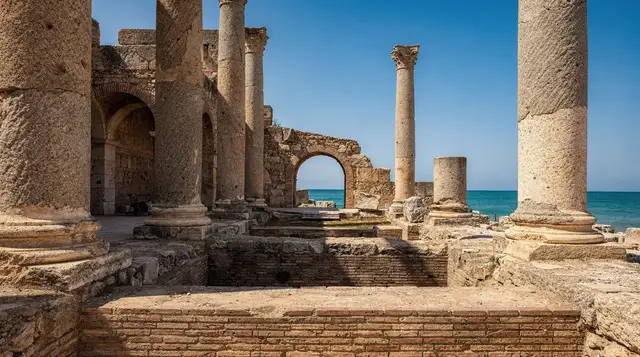
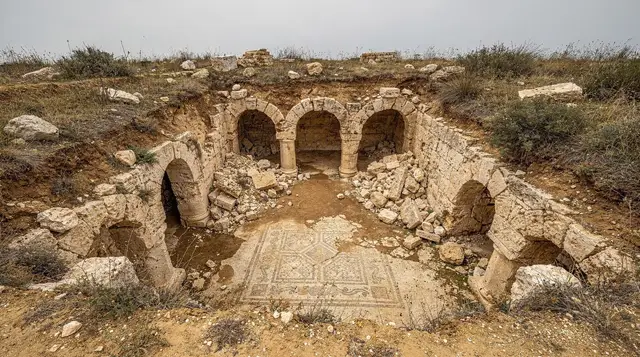
These are our own photographs of Tunisia, not the operator's pictures of this tour — open the tour page to see those.