What to do in Tunis on a rainy day
What can you do in Tunis when it rains?
The Bardo museum, Dar Ben Abdallah, and the covered stretches of the medina souks are the obvious moves, since all three keep you dry for two to three hours each. A hammam session works well on a grey afternoon, and Tunis has enough good cafés and covered arcades along Avenue Habib Bourguiba to fill the gaps. If the forecast shows Tunis staying wet for a full day, an inland day trip toward Dougga or further south often escapes the rain entirely.
Rain in Tunis is a winter thing, mostly November through February, and it tends to arrive as bursts rather than the steady all-day drizzle some travellers brace for. That still leaves plenty of afternoons where the outdoor sites on most itineraries — Carthage’s Roman ruins, Sidi Bou Said’s hillside streets, the rooftop views over the medina — are genuinely unpleasant, and a change of plan is worth having ready rather than improvising on the spot. This guide covers what actually holds up indoors or under cover in Tunis, and when it’s smarter to chase drier weather elsewhere in the country instead of waiting the rain out.
| Where | Central Tunis and the medina, with options further afield |
| Cost | Museum entry from around 8–11 TND (roughly €2.50–€3.50); hammams from about 15 TND |
| Time needed | Half a day to a full day, depending on how you combine stops |
| Getting there | Walking within the medina and ville nouvelle; taxi or TGM for the Bardo |
| Best time | Any grey afternoon between November and February |
Why Tunis rain rarely means a lost day
Tunis sits on the Mediterranean coast, and its winter weather follows the same pattern as much of southern Europe: low-pressure systems roll through and dump rain for a few hours before clearing, rather than settling in for a full day the way weather further north sometimes does. Checking an hourly forecast rather than a daily one usually shows a genuine dry window somewhere in the day, even during the wettest weeks. That matters for planning, because it means a rainy morning doesn’t have to write off the whole day — it’s often worth front-loading indoor stops and leaving outdoor ones for whichever hours the forecast looks driest.
The bigger planning problem is usually humidity and wind chill rather than the rain itself. A damp, blustery day in Tunis can feel colder than the temperature suggests, and open-air sites like Carthage or the upper streets of Sidi Bou Said lose most of their appeal when there’s nowhere to shelter and no view to speak of through the haze. The Tunis weather month by month guide has the fuller seasonal breakdown if you’re weighing whether to build slack into a winter trip in the first place.
The Bardo museum: the obvious first move
If only one indoor stop fits the day, it should probably be the Bardo. Housed in a former beylical palace on the western edge of the city, it holds one of the largest Roman mosaic collections anywhere in the world, alongside Punic, Islamic and Ottoman-era rooms spread across two full floors. The scale of the collection means a rainy day is, if anything, the right kind of day for it — nobody feels short-changed spending two to three hours here, and the ornate palace rooms themselves are worth lingering in regardless of what’s happening outside.
Getting there takes a taxi or a slightly indirect bus or metro léger connection from the centre, which is worth building into the timing since it isn’t a walkable add-on to a medina morning. The Bardo museum complete guide covers the layout room by room, and the museums of Tunis ranked guide is useful if you want a sense of where else to spend a second wet afternoon once the Bardo is done.
Dar Ben Abdallah and the medina’s covered stretches
Inside the medina itself, Dar Ben Abdallah is the best rainy-day pairing with a souk visit. It’s a restored eighteenth-century merchant house turned museum of traditional Tunis life, with courtyards, reception rooms and everyday objects arranged to show how a wealthy medina family actually lived, and unlike the open squares elsewhere in the old city, most of it is roofed or covered by the courtyard’s upper galleries. An hour here is enough, and it sits close enough to the souks that combining the two into a single covered loop is straightforward.
Large sections of the souks themselves are vaulted or covered by the buildings pressing in from both sides, which makes browsing the perfume, textile and metalwork souks a genuinely dry activity even in a downpour — it’s really only the open squares near Bab Bhar and some side alleys that leave you exposed. The medina palaces and dar museums guide has more detail on Dar Ben Abdallah and similar houses, and the souks of Tunis: what to buy guide is worth reading before you start browsing so a wet afternoon doesn’t turn into an impulse-buy afternoon.
Hammams: turning bad weather into an excuse
A hammam session is arguably the single best use of a genuinely miserable Tunis afternoon. The traditional steam-and-scrub ritual takes an hour to ninety minutes, costs relatively little by comparison with a spa treatment elsewhere, and leaves you warm, relaxed and largely indifferent to whatever the weather is doing outside by the time you step back onto the street. Several of the best hammams sit within or close to the medina, so it slots naturally into a covered day that also includes Dar Ben Abdallah and the souks.
First-timers sometimes hesitate because the etiquette isn’t obvious — what to bring, how the scrub works, whether men and women bathe separately (they do, on different schedules or in different rooms). The hammam guide for first-timers walks through the whole process, and the best hammams in Tunis guide narrows down where to go depending on budget and whether you want a traditional neighbourhood hammam or a more polished tourist-oriented one.
Cafés, cooking classes and covered arcades
Avenue Habib Bourguiba’s colonial-era arcades run along much of the street’s length, giving genuine covered walking between the ville nouvelle’s cafés without ducking in and out of doorways every few minutes. Sitting out a heavy shower with a coffee or a mint tea here is a legitimate rainy-day plan, not a consolation one — several of the older cafés along the avenue have been serving the same crowd for decades and are worth the visit on their own terms.
A cooking class is another solid option for a wet half-day, particularly if the trip includes a family or a group that wants a shared activity rather than another museum. Most run two to three hours, cover a handful of Tunisian staples like couscous, brik and salade méchouia, and end with the class eating what it made — a genuinely useful way to spend a wet late morning that also improves the rest of the trip’s meals. The cooking classes in Tunis guide lists where these run, and the Tunisian food guide is worth reading first so the class makes more sense in context.
Chasing the sun: day trips as a rainy-day strategy
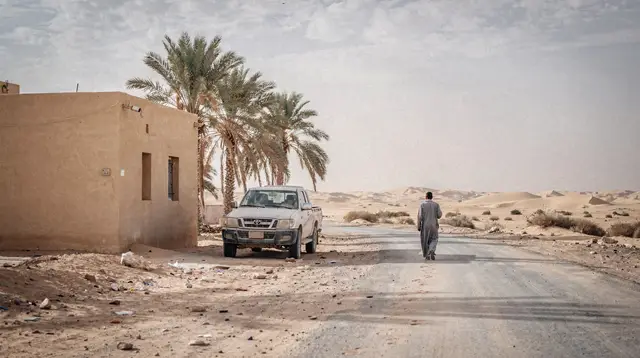
Tunisia’s weather varies more by region than its small size suggests, and a system sitting over Tunis and the northern coast often doesn’t reach the drier interior or the pre-Saharan south at all. For travellers with a rental car or a booked driver, and especially those with more than a couple of days in the country, treating a wet Tunis morning as the trigger to leave the city rather than wait it out can turn a lost day into one of the best of the trip.
From Tunis: Half-day Dougga tour heads inland to Tunisia’s best-preserved Roman town, and the interior plateau around Dougga frequently sees less rain than the coast even on days when Tunis itself is grey. The Dougga complete guide covers what the site involves if you’d rather arrange the trip independently.
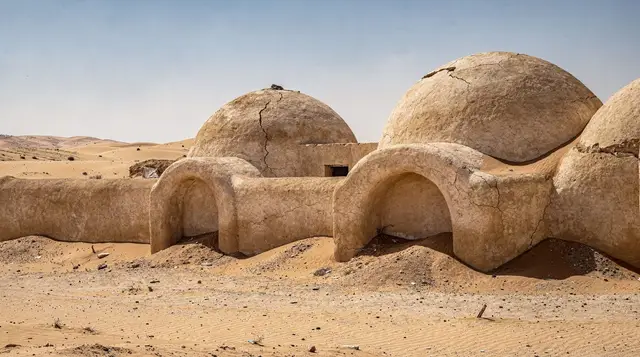
Further south, the weather gap widens considerably. From Tunis and Hammamet: 2-day Ksar Ghilane and Tataouine tour pushes into the pre-Saharan zone, where a wet spell over Tunis often has no equivalent at all — it’s a bigger commitment at two days, so it suits travellers who already had a Sahara leg planned and can shuffle the itinerary rather than anyone improvising on the morning of.
For a lower-commitment option that still gets you out of the city, Tunis governorate: full-day tour and From Tunis: Hammamet and Nabeul day trip both move between several stops by vehicle across the day, which matters when the plan is to keep ducking between covered or indoor spots rather than walking a single outdoor site for hours. Neither guarantees dry weather, but spreading the day across several shorter stops limits how much of it is spent exposed if a shower does roll through.
A sample rainy day in Tunis
| Time | Activity | Why it works in the rain |
|---|---|---|
| 9:00–11:30 | Bardo museum | Fully indoors, two to three hours of genuine content |
| 12:00–13:00 | Lunch near the ville nouvelle | Covered arcades along Avenue Habib Bourguiba |
| 14:00–15:00 | Dar Ben Abdallah | Mostly covered courtyard museum |
| 15:15–16:30 | Souks browsing | Vaulted, covered sections of the medina |
| 17:00–18:30 | Hammam | Fully indoors, ends the day warm rather than damp |
This sequence keeps outdoor exposure to short walks between stops rather than any sustained time outside, and it works equally well split across two half-days if the museum-heavy morning feels like too much for younger children. The Tunis with kids guide has more on pacing a family day around the city’s indoor options.
What doesn’t work well in the rain
Carthage’s archaeological sites are almost entirely open-air, spread across a coastal park with minimal shelter, and a wet visit means picking your way between muddy paths with little to see through low cloud toward Sidi Bou Said. The same goes for Sidi Bou Said itself, where the appeal is largely the views and the blue-and-white streets, both of which lose most of their charm in grey weather. If rain is forecast for a day you’d otherwise spend there, it’s worth swapping it for one of the indoor options above and moving Carthage to a clearer day later in the trip — the family day trips from Tunis guide has other combinations if your schedule allows the swap.
Rooftop viewpoints over the medina fall into the same category: worth doing, not worth doing in the rain, since the entire value proposition disappears along with the visibility.
Practical notes for a wet day
Pack a compact umbrella or light rain shell rather than relying on finding one locally; they’re sold in Tunis but not always easily near the medina on short notice. Footwear matters more than usual, since medina cobblestones and Carthage’s gravel paths both get slick and uneven in the wet. Taxis get harder to flag down during and right after a downpour as demand spikes, so building in a few extra minutes between stops that require one is sensible. The getting around Tunis guide has the fuller picture on taxis, the TGM and the metro léger if you’re relying on public transport through a wet day.
Frequently asked questions about rainy days in Tunis
How often does it rain in Tunis?
Rain is concentrated between November and February, usually arriving as scattered showers rather than sustained all-day rain. Spring and autumn see occasional light rain, while summer is reliably dry.
Is the Bardo museum worth doing on a rainy day specifically?
Yes — if anything it’s better suited to a wet day than a sunny one, since two to three hours indoors doesn’t feel like time lost the way it might on a rare clear afternoon.
Are the medina souks a good rainy-day option?
Mostly. Large sections are vaulted or covered by the buildings above, though a few open squares and side alleys will still expose you to a passing shower.
Should I still visit Carthage if it’s raining?
It’s better avoided. Carthage’s Roman sites are almost entirely open-air with little shelter, and the coastal views that make the site worthwhile disappear in low cloud and rain.
Is it worth booking a day trip specifically to escape rain in Tunis?
For travellers with flexibility, yes. Tunisia’s interior and south frequently stay dry when the northern coast doesn’t, so redirecting a wet day toward Dougga or further south can rescue what would otherwise be a lost day.
What should I pack for a rainy trip to Tunis?
A compact umbrella or light rain shell, closed shoes with grip for wet cobblestones, and a layer for wind chill, since damp winter days in Tunis often feel colder than the thermometer suggests.
Do hammams stay open in bad weather?
Yes, hammams operate on a fixed indoor schedule regardless of weather, which makes them one of the most reliable rainy-day bookings in the city.
Is a rainy day in Tunis a good time for a cooking class?
Yes — most classes run two to three hours indoors and give you something to show for a wet late morning beyond waiting out the weather.
Family-friendly tours
Verified deep-linked GetYourGuide tours. Book through these links and we earn a small commission at no cost to you.
These are our own photographs of Tunisia, not the operator's pictures of this tour — open the tour page to see those.