Ichkeul national park
What is Ichkeul national park and when should you visit?
Ichkeul is a UNESCO-listed wetland reserve southwest of Bizerte, centred on a shallow lake and mountain that host tens of thousands of migratory ducks, geese and flamingos each winter. Visit between November and February for the birds, since the lake dries to a mudflat with far less wildlife by late summer.
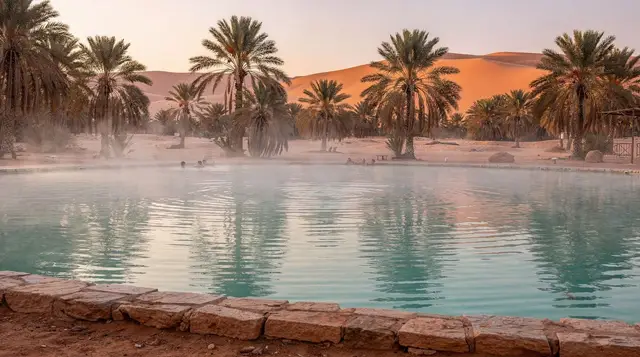
Southwest of Bizerte, a shallow lake spreads out beneath a limestone mountain that gives the whole reserve its name, and for a few winter months it becomes one of the most important wetlands in the western Mediterranean, hosting tens of thousands of ducks, geese and flamingos that funnel through here on their way between Europe and sub-Saharan Africa.
Ichkeul is Tunisia’s only UNESCO World Heritage-listed national park and one of very few wetlands anywhere to hold that designation, protected for a genuinely unusual hydrology in which fresh water flowing off the surrounding hills mixes seasonally with brackish water pushed in from the sea. This guide covers what the park actually offers across the seasons, honestly including the months when there’s not much to see, and how to plan a visit around Tunis or Bizerte.
| Where | 25km southwest of Bizerte, on the road toward Mateur |
| Cost | Small entry fee, roughly 5 to 8 TND (about €1.50 to €2.50), plus the ecomuseum |
| Time needed | Two to three hours for the ecomuseum and lakeside viewpoint |
| Getting there | Car or organised tour; public transport is impractical |
| Best time | November to February for birds; avoid high summer, when the lake largely dries out |
An unusual hydrology, and why it earned UNESCO status
Ichkeul’s ecological significance comes down to a hydrological cycle that’s genuinely rare in the Mediterranean basin. The lake sits at the low point of a catchment fed by six rivers draining the surrounding hills, and through the wet winter months fresh water pours in fast enough to keep the lake largely fresh and to push back the brackish water that the Mediterranean tries to push in through a connecting channel to the Bizerte lagoon. As the dry Tunisian summer progresses and river flow drops off, that balance reverses: seawater intrudes further into the lake, salinity rises, and by late summer the lake can shrink dramatically, sometimes to a fraction of its winter extent, leaving cracked mudflats where open water stood months earlier.
This seasonal fresh-to-brackish cycle is exactly what makes the site valuable for wildlife, since it supports both freshwater vegetation that waterfowl feed on in winter and the salt-tolerant plants that colonise the drying margins in summer, a combination that few single wetland sites manage to sustain.
UNESCO listed Ichkeul as a World Heritage Site in 1980, and the park spent a period on the List of World Heritage in Danger during the 1990s and 2000s, largely because dam construction upstream was reducing the freshwater inflow the lake’s ecology depends on. Tunisian authorities implemented water-release commitments to protect minimum flows, and the site was removed from the danger list in 2006, though the underlying tension between agricultural water demand and the park’s ecological needs hasn’t entirely gone away.
If you want the short destination profile of the area before reading further, the Ichkeul destination page gives the overview, while this guide goes deeper on timing and logistics.
Jebel Ichkeul and the mountain above the lake
The park takes its name from Jebel Ichkeul, a limestone massif rising steeply from the lake’s southern shore to just over 500 metres, its slopes covered in Mediterranean scrub, wild olive and, in a good spring, a genuinely impressive wildflower display. The mountain is as much a part of the reserve’s ecological identity as the lake itself, its caves and rocky terrain supporting species that the flat wetland can’t, and its bulk sheltering the lake basin in a way that shapes local microclimate and drainage patterns. A network of marked trails climbs partway up the mountain from near the ecomuseum, manageable for most visitors in an hour or two, with views back down over the lake that are worth the modest effort even outside peak bird season.
Historically the mountain and its surroundings supported populations of larger mammals, including a small introduced herd of water buffalo brought in during the French protectorate period and maintained since, along with wild boar and, more elusively, jackals and genets in the scrub cover. Sightings of the larger mammals are inconsistent and shouldn’t be the reason for a visit, but they add a layer of interest beyond the birds for visitors who linger.
The winter bird spectacle
Between roughly November and February, Ichkeul functions as a critical stopover and wintering ground for waterfowl migrating along the western branch of the great Europe-to-Africa flyway, and the numbers involved are genuinely large: tens of thousands of wigeon, pochard, shoveler and other ducks, along with greylag geese and, in good years, a substantial contingent of flamingos working the shallows for invertebrates.
Coot numbers alone can run into the tens of thousands on a good winter day, forming dense rafts visible from the shore even without binoculars, and the sheer density of birds across the open water is the closest thing Tunisia offers to the scale of wetland spectacle associated with sites like the Camargue in France or the Coto Doñana in Spain.
Serious birdwatchers should bring their own binoculars and, ideally, a scope, since the best viewing points look across open water rather than allowing close approach to the birds themselves, a deliberate feature of the reserve’s design that keeps disturbance low. The guide to birdwatching in northern Tunisia covers Ichkeul alongside the region’s other key sites for readers planning a birding-focused trip rather than a single stop.
| Season | Lake condition | Wildlife highlight | Recommendation |
|---|---|---|---|
| November–February | High, mostly fresh water | Peak waterfowl numbers, flamingos | Best time to visit |
| March–April | Receding, still substantial | Spring wildflowers on Jebel Ichkeul, some migrants | Good secondary option |
| May–August | Low, increasingly saline, may largely dry | Minimal bird activity, hot and exposed | Avoid unless combining with other stops |
| September–October | Beginning to refill | Early arriving migrants | Variable, worth checking recent conditions locally |
The ecomuseum
Near the park entrance, the Ichkeul ecomuseum, housed in a converted former hunting lodge with genuine Ottoman-era history attached to the building itself, gives useful context before heading out to the lakeside viewpoints: models of the hydrological cycle, information on the species present through the year, and background on the park’s UNESCO status and the conservation challenges it has faced.
It’s a modest facility by international museum standards, with signage in French, Arabic and limited English, but it’s worth the twenty minutes it takes to walk through, particularly for visitors arriving outside peak bird season who might otherwise find the lakeshore underwhelming without that context. From the museum, a short path leads to the main lakeside viewpoint, the most reliable spot for seeing whatever water and bird activity the season offers.
Getting there from Tunis or Bizerte
Ichkeul lies roughly 25km southwest of Bizerte and around 60 to 70km from central Tunis depending on the route, reached by road through Mateur rather than by any public transport option, since no rail or regular bus service runs close to the park entrance. Most independent visitors either hire a car, which gives the flexibility to combine Ichkeul with Bizerte itself and the nearby Utica archaeological site in a single day, or join an organised day tour from Tunis or Bizerte that packages the park with these nearby stops.
North Africa tour: Utica, Bizerte and Ichkeul park (UNESCO) is the most direct option for exactly this combination, covering the Phoenician site at Utica, central Bizerte and the park in one organised day from the capital.
For visitors already based in or around Bizerte, a shorter North of Africa: Bizerte, Cap Angela and Ichkeul day trip swaps Utica for a run out to Cap Angela, the far northern tip of the mainland, covered separately in the Cap Angela guide. A broader Utica, a Punic-Roman city, Bizerte, Cap Angela and the Ichkeul nature reserve itinerary folds all of these stops into a single longer day for visitors who’d rather not choose between them.
If you are weighing a hire car against a tour, the car hire in Tunisia guide and the notes on driving in Tunisia explain what to expect on the road, and the comparison of private versus group tours helps decide whether a packaged day suits you better than going alone.
Combining Ichkeul with the rest of the north
Ichkeul rarely works as a standalone day trip from Tunis given the drive time involved, and most visitors sensibly pair it with other northern stops. Bizerte itself, with its old port and canal, makes a natural anchor point, and the coastal drive between Tunis and Bizerte, detailed in the guide to that route, offers scenic stops along the way that break up the journey.
For the town itself, the Bizerte day trip guide lays out what to see around the old port, the Utica archaeological site guide covers the Phoenician and Roman ruins on the way, and the personal essay on why I keep going back to Bizerte gives a feel for the place. If Ichkeul is one of several excursions you are weighing, the roundup of best day trips from Tunis shows how it compares.
Travellers building a longer northern circuit sometimes combine Ichkeul with Aïn Draham and the Kroumirie forests further west, or fold it into the broader north Tunisia road trip itinerary, which allows enough time to give both the wetland and the surrounding towns their due rather than rushing through on a single tight day.
Visitors whose main interest is active outdoor time rather than birdwatching specifically sometimes add a From Sousse: Quad Bike Ride in Sousse or Monastir to a separate leg of their trip further south; it’s a different kind of outdoor activity entirely and doesn’t connect geographically to Ichkeul, but it’s a reasonable option for travellers splitting a longer Tunisia trip between the northern wetlands and the Sahel coast.
What to actually expect on the ground
Honesty matters here more than at most sites, because Ichkeul’s reputation, built substantially on its UNESCO status, can create expectations that a summer visit won’t meet. Outside the November-to-February window, the lake can shrink to a modest, sometimes largely dry basin with a fraction of its winter bird population, and visitors arriving in July or August expecting the spectacle described in guidebooks are often disappointed by cracked mud and a handful of resident species rather than the dense rafts of ducks that define the site’s reputation. The mountain trails and ecomuseum remain worthwhile year-round, but the headline experience, the winter bird gathering, is genuinely seasonal and shouldn’t be assumed available on demand.
Facilities on site are basic: the ecomuseum has toilets and a small shop, but there’s no restaurant, so bringing water and snacks is sensible, particularly if you plan to walk any distance up Jebel Ichkeul.
Practical tips for a rewarding visit
Since the winter months are the ones that matter here, it helps to read Tunis in winter for what the season feels like in the capital, and the month-by-month weather guide for planning what to wear.
A few practical habits make a real difference to how much you get out of Ichkeul, particularly in winter when the bird activity is at its peak. Arrive as early in the morning as your itinerary allows: waterfowl are generally most active and most visible in the first hours after sunrise, before midday heat haze and human activity around the shoreline push them further out across the open water. Dress in layers regardless of season, since the lakeside is exposed to wind coming off the water with little tree cover to break it, and the temperature difference between the sheltered ecomuseum grounds and the open viewpoints can be surprisingly large on a winter morning.
If you’re travelling independently rather than on an organised tour, it’s worth checking locally, through your accommodation in Bizerte or a Tunis-based tour desk, on recent lake conditions before setting out, since the exact extent of the water and the corresponding bird numbers can shift noticeably from one week to the next depending on rainfall that season. Guides working the reserve regularly tend to have a good sense of current conditions that generic seasonal advice can’t fully capture.
Frequently asked questions about visiting Ichkeul national park
When is the best time to see birds at Ichkeul?
Between November and February, when winter migration brings tens of thousands of ducks, geese and flamingos to the lake. Numbers taper off through spring and can drop dramatically by mid-summer.
How do you get to Ichkeul from Tunis without a car?
There’s no practical public transport route; an organised day tour or a hired car with driver is the realistic option, since the park sits well off any rail or regular bus line.
Is Ichkeul worth visiting outside bird migration season?
Modestly, for the ecomuseum and a walk up Jebel Ichkeul, but the headline wetland spectacle is genuinely seasonal. Visitors on a summer trip shouldn’t expect the same experience described for winter.
Why was Ichkeul listed as a World Heritage Site in Danger?
Dam construction on the rivers feeding the lake reduced freshwater inflow through the 1980s and 1990s, threatening the seasonal fresh-to-brackish cycle the ecosystem depends on. Tunisia committed to minimum water releases, and the site was removed from the danger list in 2006.
Can you swim or boat on Lake Ichkeul?
No, the lake is managed strictly as a wildlife reserve, and recreational swimming or boating isn’t permitted or practical given the shallow, seasonally muddy nature of the water.
Are there water buffalo at Ichkeul?
A small introduced herd has been maintained on the reserve since the French protectorate period, though sightings aren’t guaranteed and shouldn’t be the main reason for a visit.
How long should I plan for a visit to Ichkeul?
Two to three hours covers the ecomuseum and lakeside viewpoint comfortably; add another hour or two if you plan to walk any distance up Jebel Ichkeul’s trails.
Is Ichkeul suitable for a family day trip?
The ecomuseum and easy lakeside paths work fine for families, though younger children may find a winter birdwatching visit slow-paced unless paired with the mountain trail for some active time.
Hiking & nature tours on GetYourGuide
Verified deep-linked GetYourGuide tours. Book through these links and we earn a small commission at no cost to you.
These are our own photographs of Tunisia, not the operator's pictures of this tour — open the tour page to see those.