Zembra island and the marine reserve
Can tourists visit Zembra island?
Not freely. Zembra is a strictly protected national park and UNESCO biosphere reserve, and landing on the island requires special authorisation, generally arranged for research or occasionally for organised eco-tourism rather than casual visitors. Most travellers see Zembra from the coast around Kelibia or from a passing boat rather than setting foot on it.
Zembra is easy to find on a map of Cap Bon and genuinely hard to visit in person, and it’s worth saying that clearly before anything else. The island sits a few kilometres off the tip of the peninsula near Kelibia, rising steeply out of the sea to over 400 metres, and it’s protected as a national park and UNESCO biosphere reserve precisely because of that isolation — access is tightly restricted, and landing without authorisation isn’t something a casual visitor can arrange. This guide explains what the reserve actually protects, how most people experience it from a distance, and where to look instead if marine wildlife and boat time are what you’re really after.
| Where | A few kilometres off Cap Bon, near Kelibia, visible from the coast on a clear day |
| Cost | Free to view from the coast; landing requires special, research-level authorisation |
| Time needed | An hour or two to view from a coastal vantage point around Kelibia |
| Getting there | Kelibia is roughly two hours from Tunis by car; the island itself is not directly accessible to tourists |
| Best time | Clear days, spring through autumn, for the best visibility of the island from shore |
Why Zembra is protected rather than promoted
Zembra’s steep, rocky terrain and its distance from the mainland kept it relatively undisturbed for centuries, which is exactly why it’s now recognised as ecologically significant. The island and its smaller neighbour, Zembretta, support colonies of seabirds — including one of the more important Mediterranean populations of Scopoli’s shearwater — along with a surrounding marine environment that includes Mediterranean monk seal sightings in past decades, though the seal population here is now considered functionally extinct or extremely marginal.
Tunisia designated Zembra a national park in the 1970s, and UNESCO added it as a biosphere reserve, both status changes aimed at limiting exactly the kind of casual tourist traffic that has degraded similar islands elsewhere in the Mediterranean.
That protection is the point, not an oversight in how the site is marketed. Unlike Ichkeul National Park, which has visitor infrastructure and is genuinely set up for tourism, Zembra’s isolation and restricted access are deliberate conservation choices, and honest coverage of the island has to reflect that rather than implying a boat trip out to explore it is a realistic weekend plan.
What you can actually do: viewing from Cap Bon
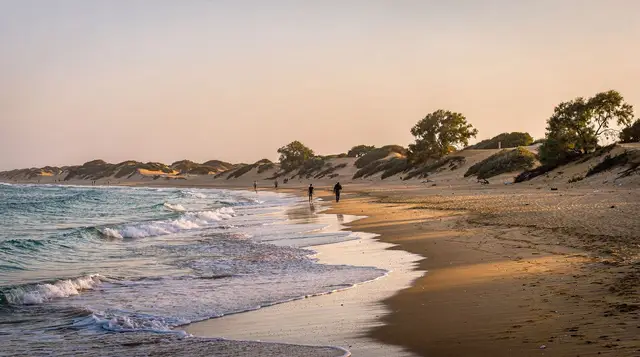
For nearly all visitors, the realistic way to experience Zembra is from the coast. Kelibia and the northern tip of Cap Bon give the clearest views on a good day, with the island’s steep profile visible out to sea from several coastal vantage points, including areas near Kerkouane and El Haouaria. It’s a striking sight rather than an anticlimax — the island’s height and isolation are exactly what make it visible and distinctive from so far away — but be clear with yourself that this is a coastal viewing experience, not a landing.
Some boat trips around Cap Bon pass in the general direction of Zembra without approaching or landing on it, and it’s worth asking specifically before booking anything marketed loosely as a “Zembra trip,” since the marine park’s restrictions mean genuine close access isn’t something a standard tourist boat operator can offer.
| What you might be told | What’s actually true |
|---|---|
| ”Boat trip to Zembra island” | Almost always a coastal cruise passing near the reserve, not a landing |
| ”Visit the marine reserve” | Refers to viewing the protected waters from a boat or shore, not entering restricted zones |
| ”Zembra day trip” | Realistically a Cap Bon coastal day with island views, not island access |
Alternative islands and marine wildlife you can actually reach
If a genuine boat trip with wildlife and open water is what you’re after, Tunisia has options that don’t come with Zembra’s access restrictions. a pirate boat cruise to Kuriat island from Monastir is the clearest substitute — it’s a genuinely accessible island trip further south along the Sahel coast, known for loggerhead turtle nesting and clear water suited to snorkelling, without the restricted-access issue that defines Zembra. It’s a different stretch of coast and a longer drive from Tunis than Cap Bon, but it delivers the boat-and-wildlife day that Zembra itself can’t offer casual visitors.
Building a Cap Bon day around the coastline instead
Rather than centring a trip on Zembra specifically, treat the island as one striking element within a broader Cap Bon coastal day. Kelibia and the beaches of Cap Bon covers the wider stretch of coastline worth exploring, and El Haouaria, at the peninsula’s tip, has its own cliffs, caves and birdlife worth the visit independent of any Zembra view. If land-based activity appeals more than a coastal drive, a horseback riding experience with hotel pickup from Hammamet is a reasonable way to spend an active morning on this general stretch of coast before or after a Cap Bon detour.
For a faster-paced water activity that doesn’t depend on reaching a specific restricted site, a jet ski experience in Hammamet is a straightforward, no-planning-required alternative if the sea itself, rather than Zembra specifically, is what you’re after on a coastal day.
If wildlife is the real draw, consider a different kind of day
Travellers whose interest in Zembra is really about wildlife more than the island itself might get more out of a destination built for animal encounters rather than a distant island view. a trip to Friguia animal park from Hammamet or Nabeul won’t replicate Zembra’s specific seabird colonies, but it’s a far more reliable way to guarantee wildlife viewing within a single day trip, particularly for families or anyone travelling with children who’d be disappointed by a hazy island silhouette on the horizon rather than animals up close.
Birdwatching in northern Tunisia is the better resource if seabirds specifically are your interest, since it covers sites with genuine visitor access rather than Zembra’s restricted zone.
Making the most of the view from shore
Seeing Zembra well is mostly a matter of patience and timing. Haze can flatten the island into a grey shape, so a clear day matters more than the exact vantage point, and it’s worth giving yourself time to wait for the light to improve rather than rushing on to the next stop. Bring something to lean on and a little curiosity: the island’s abrupt profile, rising straight from open water with no gradual shoreline, is what makes it memorable, and knowing that the birds on its cliffs are the reason for the restrictions turns a distant silhouette into something more meaningful.
If you’re driving yourself, the peninsula’s roads make it easy to stop at several points and compare how the island looks from each. Car hire in Tunisia explains the practicalities, and the Cap Bon loop day trip shows how the northern coast fits into a full circuit. For a first-person account of that road, driving the Cap Bon loop gives a good sense of the pace and the stops worth making.
Pairing the view with walking and coastal stops
The view works best as a pause in a longer outing rather than the goal of one. Walkers can look at Cap Bon hiking trails for routes where the coastline opens up, and the sea air and open horizon make a short walk a better way to spend the wait for clear light than sitting in a car. Beach-minded travellers can fold in time at the sand described in Kelibia and the beaches of Cap Bon, then look back out to sea afterwards.
If you’re basing yourself on the east coast, Hammamet is a natural starting point for a Cap Bon day, and Hammamet day trip guide helps you decide how much to pack into it. Longer stays suit the Tunis and Cap Bon in four days itinerary, which gives the peninsula more room than a single rushed day.
On the water without entering the reserve
Travellers who want to be on the sea rather than beside it have other choices that respect the reserve’s limits. Boat trips from Tunis covers the kinds of outings that are genuinely on offer, and diving in Tunisia explains where underwater time is realistic for visitors. The habit worth keeping in mind is simple: choose an operator who tells you plainly where the boat goes and where it doesn’t, and be wary of anyone who stays vague about landing.
For wider planning beyond Cap Bon, best day trips from Tunis lists other outings that compare well with a coastal day, so you can decide whether Cap Bon is the right use of your time at all.
Research access and how it differs from tourism
It’s worth understanding briefly how Zembra’s limited access actually works, mostly to avoid confusion if you come across old references to expeditions or scientific visits. Researchers studying the island’s seabird colonies, vegetation or marine environment obtain permits through Tunisia’s national park authorities, a process built around scientific justification rather than tourism demand.
Some very limited, tightly organised eco-tourism access has existed in the past through specific licensed operators, but this isn’t a standing, bookable product the way a Kuriat island boat trip is, and its availability changes without much public notice. Treat any online claim of a straightforward “book your Zembra visit” offer with real scepticism, and verify directly with a licensed operator rather than assuming a listing is current or accurate.
Common mistakes to avoid
Is a trip built around Zembra island worth it?
Frequently asked questions about Zembra island and the marine reserve
Can I book a boat trip to land on Zembra island?
No, not through standard tourist operators. Zembra is a strictly protected national park and biosphere reserve, and landing requires special authorisation generally reserved for research purposes.
Where is the best place to see Zembra from the mainland?
Around Kelibia and the northern tip of Cap Bon, including areas near Kerkouane and El Haouaria, give the clearest coastal views of the island on a good day.
What wildlife does the Zembra reserve protect?
Significant Mediterranean seabird colonies, including one of the region’s important populations of Scopoli’s shearwater, along with a protected marine environment. Historical Mediterranean monk seal presence is now considered functionally extinct or extremely marginal.
Is there an alternative island trip I can actually book in Tunisia?
Yes — Kuriat island off Monastir is genuinely accessible by boat trip, known for loggerhead turtle nesting and clear water for snorkelling, without Zembra’s access restrictions.
How far is Zembra from Kelibia?
A few kilometres off the coast, visible from several points along Cap Bon on a clear day, though the exact distance depends on your specific vantage point.
Is Zembra part of Ichkeul National Park?
No, they’re separate protected areas. Ichkeul, near Bizerte, has visitor infrastructure and is genuinely set up for tourism; Zembra is a much more tightly restricted marine and seabird reserve off Cap Bon.
Can researchers or divers get special access to Zembra?
Researchers can apply for permits through Tunisia’s national park authorities for scientific work. Very limited eco-tourism access has existed at times through specific licensed operators, but it isn’t a standing, easily bookable product.
Is it worth planning a trip to Cap Bon just to see Zembra?
Only as part of a broader day covering Kelibia, Kerkouane and the Cap Bon coastline. The island view alone, without other stops, doesn’t justify a dedicated trip from Tunis.
Beach & coast tours on GetYourGuide
Verified deep-linked GetYourGuide tours. Book through these links and we earn a small commission at no cost to you.
These are our own photographs of Tunisia, not the operator's pictures of this tour — open the tour page to see those.