Ghar el Melh and Sidi Ali El Mekki
What is there to see in Ghar el Melh and Sidi Ali El Mekki?
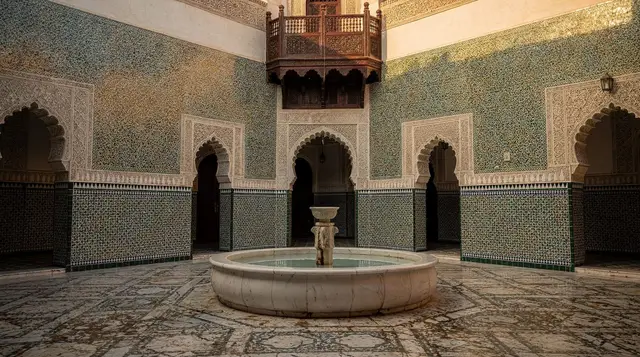
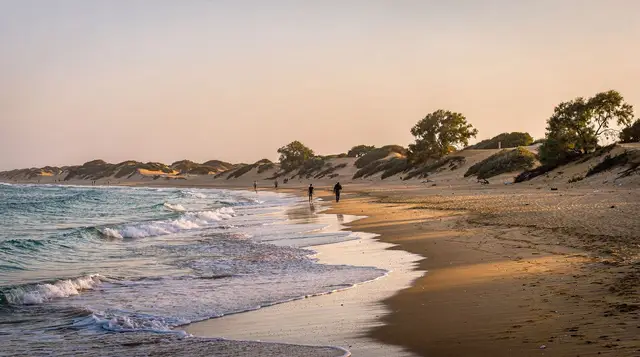
Ghar el Melh is a small fishing town on a lagoon roughly an hour and a half north of Tunis, known for three surviving Ottoman-era forts and a working fishing harbour. Sidi Ali El Mekki is an undeveloped beach a short drive further on, backed by dunes and largely free of the resort infrastructure found further south, making the pair a good low-key day trip combining history and coastline.
Ghar el Melh doesn’t feature on most first-time Tunis itineraries, and that’s part of its appeal. It’s a small, working fishing town on a shallow lagoon roughly an hour and a half north of the capital, still built around three Ottoman-era forts and a harbour that functions much as it always has, with none of the tourist infrastructure found around Carthage or Sidi Bou Said. A short drive further brings you to Sidi Ali El Mekki, an open, largely undeveloped beach backed by dunes rather than hotels. Together they make a quiet, low-key day out for travellers who’ve already covered the more obvious sights closer to Tunis.
| Where | On the northern coast, roughly 55 km / 1.5 hours by car from Tunis |
| Cost | Free to walk around the town and forts; a beach day at Sidi Ali El Mekki costs little beyond food and parking |
| Time needed | Half a day for both, or a full relaxed day including lunch and beach time |
| Getting there | Car is the practical option; no direct train or louage service covers the full route easily |
| Best time | Late spring to early autumn for the beach; any season for the forts and town |
A lagoon town shaped by silt, not decline
Ghar el Melh’s story is unusual among Tunisian coastal towns: it was once a significant Ottoman naval port, home to the corsair fleets that operated along this stretch of the Mediterranean, but the harbour gradually silted up over the eighteenth and nineteenth centuries, cutting it off from direct open-sea access and leaving it a quieter lagoon town rather than the active naval base it had been. That geographic accident is largely why the town feels so untouched today — without the deep-water harbour that drove development elsewhere along the coast, Ghar el Melh simply didn’t grow into a resort or a major port, and its historic core survived with comparatively little disruption.
The three forts — Borj el Kebir, Borj el Loutani and Borj Sidi Mohamed Younes — sit at different points around the town and lagoon, built and expanded across the seventeenth and eighteenth centuries to defend a harbour that mattered strategically at the time.
None charges the kind of formal entry fee you’d find at Carthage or the Bardo, and none is elaborately restored or curated with museum panels — you’re largely looking at weathered stone fortification, sea views, and a sense of a place that peaked centuries ago and has been quietly ticking along since. That’s honestly part of the charm for the right visitor, and a genuine limitation for anyone expecting a polished heritage site.
Walking the town and harbour
The town itself is small enough to cover on foot in an hour or two, built around the lagoon with narrow streets, a working fish market in the mornings, and small cafés where the pace is set by fishermen’s schedules rather than tourist footfall. It’s worth timing a visit for the morning if watching the fishing boats come in and the catch get sorted matters to you — by mid-afternoon, much of that activity has wound down and the town settles into a quieter rhythm.
There’s little in the way of formal restaurants aimed at visitors, so eating here means fish, simply grilled or fried, at one of the handful of small local places rather than a curated tourist menu. That’s a reasonable trade for freshness and price, but don’t expect much variety if you’re travelling with picky eaters.
| Site | Type | Cost | Time needed |
|---|---|---|---|
| Borj el Kebir | Ottoman fort | Free to walk around | 20–30 minutes |
| Borj el Loutani | Ottoman fort, harbour-side | Free to walk around | 15–20 minutes |
| Ghar el Melh fish market | Working market | Free | 20–30 minutes, best in the morning |
| Sidi Ali El Mekki beach | Undeveloped beach | Free, minor parking fee possible | 1–3 hours |
How to pace the day
The simplest rhythm is to start with the town while the harbour is still busy, walk to the forts once you’ve seen the boats, and keep the beach for the second half of the day. Lunch fits naturally between the two: grilled fish at a small local place, then the drive on to the sand. Leaving the beach for last also means you can stay as long as you like without feeling the pull of a schedule, and it keeps the more physical, shade-free part of the day away from the middle of the afternoon.
If you enjoy slow travel, this is a place to leave the camera in your bag for a while and simply watch. Our blog post on the fishermen of Ghar el Melh gives a sense of what the harbour feels like on an ordinary morning, and it is a good companion read before you go. Travellers who like the idea of a quieter coastline may also want to browse the best beaches near Tunis to compare options before choosing a direction.
Sidi Ali El Mekki: a beach without the resort layer
A short drive from Ghar el Melh brings you to Sidi Ali El Mekki, a long, open beach backed by dunes and scrubland rather than hotels or beach clubs. This is close to the opposite experience of the beaches around Hammamet — there’s minimal built infrastructure, few if any sunbeds for hire, and the crowd on most days is a mix of local families and a small number of visitors who’ve made the specific trip up from Tunis, rather than resort guests. Bring your own shade, water and snacks, since there’s little guarantee of facilities beyond what a very occasional seasonal kiosk might offer.
a boat-based excursion combining Sidi Ali El Mekki beach with time around Ghar el Melh is a straightforward way to see both without worrying about driving or parking logistics yourself, and it typically builds in enough beach time to make the trip feel like a proper day rather than a rushed stop. For travellers self-driving, the same combination works well done independently, provided you’re comfortable navigating without much English-language signage once you’re off the main coastal road.
Comparing this trip to closer, busier alternatives
It’s worth being clear-eyed about what you’re trading off by coming this far north instead of staying closer to Tunis. Gammarth and La Marsa’s beaches are a fraction of the drive time and have proper facilities, restaurants and services nearby — genuinely the better choice if convenience matters more than solitude. If it’s specifically water activity rather than a beach day you’re after, a paddleboarding and kayaking outing near Sidi Bou Said delivers that closer to the capital with none of the drive north.
What Ghar el Melh and Sidi Ali El Mekki offer that those closer options don’t is genuine quiet and a sense of having found somewhere most visitors skip. That’s a real value for some travellers and simply not worth the extra drive time for others — decide honestly which kind of day you actually want before committing to the trip.
If you want more coastline further afield
For travellers weighing this trip against other coastal excursions elsewhere in the country, it’s worth knowing the scale of what’s on offer further south. a camel ride at Port El Kantaoui near Sousse and Monastir and a catamaran sea trip from Hammamet with transfer included both represent the more developed, resort-adjacent end of Tunisia’s coast — useful comparisons if you’re deciding how much of your trip to spend on quiet, undeveloped stretches like Ghar el Melh versus the more built-up beach towns further south.
Building it into a wider plan
This outing works best as one day among several rather than the centrepiece of a stay. If you are still shaping your trip, the best day trips from Tunis sets this excursion beside the alternatives, and the coastal drive from Tunis to Bizerte covers the same stretch of northern coast from a different angle. Those with a little more time might fold both into an itinerary through the north of the country, letting Ghar el Melh become one quiet stop on a longer loop.
Because the beach has so few facilities and the forts are unstaffed, the quality of the day depends largely on preparation. Pack for sun and wind, bring enough water, carry cash for small local purchases, and decide in advance who is driving. Going with that mindset turns the lack of polish into part of the experience rather than a disappointment.
Practical logistics: getting there without a rental car
Public transport doesn’t cover this route cleanly. There’s no direct train, and combining louages to reach Ghar el Melh and then Sidi Ali El Mekki involves at least one change and some uncertainty around timing — workable for a confident, patient traveller, but genuinely inconvenient compared with the ease of reaching closer sights like Carthage by the TGM.
A rental car or a private driver is the realistic option for most visitors, and driving in Tunisia covers what to expect on the roads if you’re considering self-driving this route. Hiring a car in Tunisia is worth a read before you commit, since rental terms and insurance coverage vary meaningfully between agencies.
Common mistakes to avoid
Is Ghar el Melh and Sidi Ali El Mekki worth the trip?
Frequently asked questions about Ghar el Melh and Sidi Ali El Mekki
How far is Ghar el Melh from Tunis?
Roughly 55 kilometres, about an hour and a half by car depending on traffic and the route taken out of the city.
Is there an entry fee for the Ghar el Melh forts?
No, the Ottoman-era forts around the town are generally free to walk around, with no formal ticketing or visitor centre.
Is Sidi Ali El Mekki a good beach for families?
It can be, since it’s spacious and quiet, but there are minimal facilities — no reliable sunbed rental, limited food options, and little shade beyond what you bring yourself, so it suits families comfortable with a more self-sufficient beach day.
Can I visit Ghar el Melh without a car?
It’s difficult. There’s no direct train, and louage connections require at least one change with uncertain timing, so a rental car or private driver is the realistic option for most visitors.
What is the best time of day to visit the Ghar el Melh fish market?
Morning, when the fishing boats come in and the catch is being sorted and sold. By mid-afternoon the market activity has largely wound down.
Is Ghar el Melh worth visiting if I’m short on time in Tunis?
Probably not on a first, time-limited visit. It rewards travellers who’ve already seen the closer, better-known sights and want a quieter add-on day rather than a headline stop.
How does Sidi Ali El Mekki compare to beaches near Hammamet?
It’s far less developed — no resort infrastructure, fewer facilities, and far fewer visitors. Hammamet’s beaches offer more comfort and convenience; Sidi Ali El Mekki offers more solitude and a more natural coastline.
Can I combine Ghar el Melh with other northern sights in one day?
Yes, it pairs reasonably with a wider northern coastal loop toward Bizerte if you have a full day and a car, though trying to combine it with sights much further south, like Hammamet, would make for an unreasonably long single day.
Beach & coast tours on GetYourGuide
Verified deep-linked GetYourGuide tours. Book through these links and we earn a small commission at no cost to you.
These are our own photographs of Tunisia, not the operator's pictures of this tour — open the tour page to see those.