Tunis in spring
What is spring like in Tunis?
Mild and increasingly warm, from cool, sometimes rainy days in March to reliably sunny conditions by May, with daytime temperatures moving roughly from the high teens to mid-twenties Celsius. It's one of the two best windows for visiting Roman sites and walking the medina without heat or heavy crowds.
March through May is the season most repeat visitors quietly recommend over any other, not because it’s dramatic in any particular way, but because almost nothing works against you. The heat that makes August a real endurance test at Dougga or Carthage hasn’t arrived. The crowds that fill Sidi Bou Said’s cafés and the medina’s narrower lanes through summer are still thin in March and only building by May. And the Sahara, if it’s part of your trip, is in one of its two genuinely comfortable windows rather than the punishing summer stretch. This guide covers what spring in and around Tunis actually feels like, month by month, and what to plan differently because of it.
| Temperature range | Roughly 17–25°C by day, cooler at night, especially in March |
| Rainfall | Moderate in March, tapering through April, largely dry by May |
| Coastal crowds | Low in March, building steadily toward late May |
| Sea temperature | Still cool for swimming until late May |
| Best for | Roman sites, medina walking, day trips, moderate hiking |
March: the cool, changeable start
March is the least predictable of the three spring months, with genuine variation from a cool, showery week to several days of clear, mild sunshine within the same fortnight. Daytime temperatures typically sit in the mid-to-high teens Celsius, occasionally touching 20°C on a good day, and evenings can still require a jacket, particularly if you’re out late around Sidi Bou Said’s hillside cafés. It’s a genuinely good month for walking the medina of Tunis, since the covered souk lanes shelter you from any rain and the temperature is comfortable for hours of walking without the fatigue that summer heat brings.
A tour combining the medina, the Carthage amphitheatre and Sidi Bou Said works particularly well in March, when all three stops are comfortable to walk without needing to plan around midday heat.
April: the sweet spot
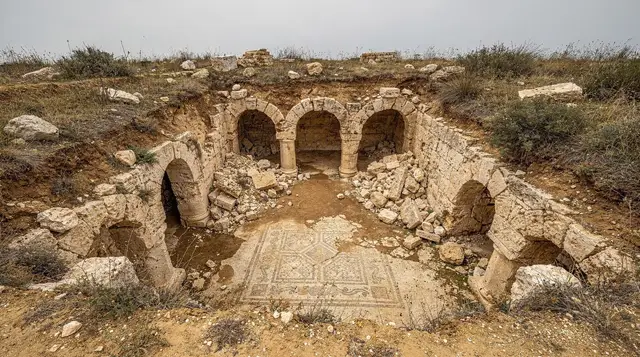
April is where spring in Tunis genuinely comes into its own. Rainfall drops off noticeably compared with March, daytime temperatures climb into the low-to-mid twenties Celsius, and the countryside around Roman sites like Dougga and Bulla Regia is genuinely green, with wildflowers across the hillsides that photograph beautifully against the ruins and that simply aren’t there by high summer.
It’s also before the main package-holiday season on the coast, so towns like Hammamet and Sousse are noticeably quieter than they’ll be by July, with better availability and lower prices at hotels that fill up completely a few months later.
| Month | Avg. daytime high | Rainy days (approx.) | Sea temperature | Crowd level |
|---|---|---|---|---|
| March | 17–20°C | 6–9 | Cold | Low |
| April | 20–23°C | 4–6 | Cool | Low to moderate |
| May | 23–26°C | 2–4 | Warming | Moderate |
A full-day tour of Tunis’s must-see highlights makes good use of April’s combination of comfortable temperatures and thinner crowds, covering more ground in a single day than the same itinerary would comfortably allow in peak summer.
May: warming toward summer, still comfortable
By May, Tunis is reliably sunny, daytime temperatures in the mid-twenties Celsius, and the sea is beginning to warm, though most visitors still find it a little cool for extended swimming until closer to June. It’s the busiest of the three spring months on the coast as European travellers start arriving in greater numbers, but nowhere near the density of July and August.
Archaeological sites remain comfortable to explore at length; Carthage archaeological sites: a complete visitor guide and Thuburbo Majus: the quiet Roman city near Tunis are both good candidates for a May visit before the exposed, largely shadeless walking routes at these sites become genuinely uncomfortable in June and beyond.
A private day tour taking in the medina, Carthage and Sidi Bou Said is worth the modest extra cost over a group tour if you want to set your own pace across a full day, which May’s lengthening daylight hours make easier to justify.
Roman sites: the spring advantage
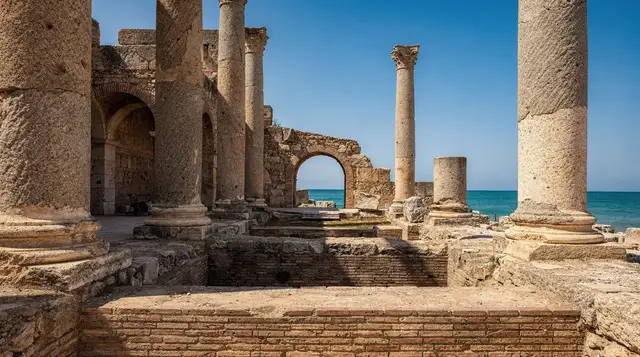
Spring is arguably the single best season for Tunisia’s Roman and Punic sites, and it’s worth explaining why beyond just “cooler weather.” Sites like Dougga, Bulla Regia and Thuburbo Majus involve long stretches of walking across open, largely unshaded terrain, and by June this becomes genuinely tiring in a way that shortens how much of a site most visitors are willing to properly explore.
In March and April, the same walking is comfortable for two or three hours without needing to retreat to shade every twenty minutes. Roman sites near Tunis, ranked by what you actually see is worth reading if you’re deciding which of several sites to prioritise within a spring trip, since not every site rewards the same amount of time.
Day trips and the Sahara in spring
Spring is also one of the two recommended windows, alongside autumn, for a Sahara excursion, since daytime desert heat hasn’t reached the levels that make summer travel there genuinely demanding. An overnight trip from Tunis to Kairouan, El Jem, Monastir and Sousse makes a good spring itinerary precisely because it covers a lot of exposed, outdoor ground, the El Djem amphitheatre in particular has almost no shade, comfortably manageable in April but a much harder day in August.
If a full Sahara trip to Douz or Tozeur is part of your plans, spring keeps that portion of the trip comfortable rather than something to be endured.
What to pack for a spring trip
Layering matters more in spring than in almost any other season here, since March mornings and evenings can be genuinely cool while afternoons warm up considerably, and the gap narrows but doesn’t disappear by May. A light rain jacket is worth carrying through March and into early April, even on days that start clear, since showers can arrive with little warning. Comfortable walking shoes matter throughout, given how much of a spring itinerary tends to involve extended walking at archaeological sites and through the medina’s uneven cobbled lanes. the packing list tool generates a fuller list adjusted for the specific month of your trip.
| What to pack | Why it matters in spring |
|---|---|
| Layers, including a light jacket | Morning/evening temperatures still cool, especially in March |
| A compact rain jacket | Showers remain possible through March and into April |
| Comfortable walking shoes | Extended walking at Roman sites and through the medina |
| Sun protection | UV increases quickly through April and May despite mild air temperatures |
Building a spring itinerary around the weather
Because spring weather shifts from week to week, the most useful habit is to keep your itinerary loose enough to swap days around. Put the outdoor, exposed sites on the clearest days and keep covered options in reserve for the showery ones. Rainy day activities in Tunis lists indoor alternatives, and the Bardo Museum guide explains why its mosaic halls make a natural fallback when a March shower rolls in. The ranking of Tunis museums helps you pick a second option without wasting a morning.
If you only have a short stay, the three-day Tunis itinerary and the one-week itinerary both adapt well to spring, since the pace they set suits mild weather. For something shorter, the weekend break plan concentrates on the medina, Carthage and the coast. Travellers who want to see the countryside in bloom can follow the Roman Tunisia itinerary, which is best done before the heat arrives.
Getting around in spring conditions
Mild weather makes the less obvious ways of moving around far more pleasant. The TGM train to La Marsa is a good way to reach the northern suburbs without worrying about traffic, and the sea views are at their clearest on a bright spring morning. For the wider picture, getting around Tunis compares the options, while taxis in Tunis is worth a read if rain sends you looking for a quick ride between sights.
Walking is the real pleasure of the season. The medina walking route is far easier to enjoy when you are not dodging the midday sun, and the medina rooftop views are worth seeking out on a clear day, when the haze that can settle later in the year has not yet formed. Rain tends to arrive in short spells, so a café stop is rarely a wasted detour; mint tea and café culture explains the rhythm of those pauses.
Eating, markets and the spring table
Spring is a pleasant time to eat outdoors, with terraces comfortable in the afternoon and a jacket useful once the sun drops. The Tunisian food guide gives a broad introduction to what to order, and street food in Tunis suits the walking-heavy days that spring encourages. If you prefer a seated meal after a long morning among ruins, restaurants in the Tunis medina is a sensible place to start.
Anyone planning to time a visit around Ramadan should check the calendar early, because its date moves from year to year and changes opening hours and the feel of the evenings. Ramadan in Tunisia for travellers covers what to expect, and festivals and events in Tunis is the place to look for anything else happening while you are there.
Practical planning notes
Spring is a popular enough season that it rewards a little advance planning. The Tunis trip planning guide pulls the main decisions together, how many days in Tunis helps you decide how long to stay, and where to stay in Tunis compares neighbourhoods so you can pick a base that suits the weather as well as your plans. Before you book anything, visa and entry requirements for Tunisia is worth checking, and the best day trips from Tunis gives you a menu to choose from once you know how many clear days you have.
Comparing spring to the rest of the year
Spring shares most of its advantages with autumn, mild temperatures, manageable crowds, but the two seasons aren’t identical. Autumn benefits from a sea that’s still warm from summer, useful if beach time matters to your trip, while spring benefits from greener countryside around the archaeological sites and slightly more reliable dry weather by April and May. The best time to visit Tunis compares all four seasons directly if you’re still deciding, and Tunis weather, month by month gives the specific figures for every month of the year in one table.
Who spring suits, and who it doesn’t
Spring suits almost every kind of traveller reasonably well, which is part of why it’s so consistently recommended: it’s comfortable for walking-heavy itineraries, gentle enough for families with children who tire in heat, and mild enough for older travellers who find summer’s temperatures genuinely difficult. The one group spring doesn’t fully suit is anyone whose trip is built primarily around beach time and warm-sea swimming; the water is still cool through most of the season, and a beach-first trip is better timed for June onward or held for a September visit instead.
Mistakes to avoid
Frequently asked questions about spring in Tunis
Is March too early or too cold to visit Tunis?
No, though it’s the coolest and most changeable of the spring months. Daytime temperatures are generally mild and comfortable for sightseeing; evenings can require a jacket.
Is the sea warm enough to swim in during spring?
Generally not until late May at the earliest, and even then it’s on the cool side for many visitors. Most people wait until June or later for comfortable swimming.
Is April a good time for a Sahara excursion?
Yes, along with autumn, April is one of the two best windows, avoiding both the cold desert nights of deep winter and the extreme daytime heat of summer.
Does it rain a lot in spring in Tunis?
March sees the most rainfall of the three spring months, though usually in short spells rather than prolonged washouts. April and May are drier, with May typically close to fully dry.
Is spring a busy season on the coast?
Less busy than summer throughout, though crowds build steadily from a quiet March toward a moderately busy late May as the main holiday season approaches.
What should I pack for a spring trip to Tunis?
Layers for variable mornings and evenings, a light rain jacket especially for March and early April, comfortable walking shoes, and sun protection despite the mild air temperatures.
Is spring or autumn better for visiting Roman sites?
Both are strong; spring has a slight edge for greenery and wildflowers around sites like Dougga, while temperatures are broadly comparable between the two seasons.
Are hotel prices lower in spring than summer?
Generally yes, particularly in March and April, before the main summer holiday demand pushes coastal prices up from around June onward.
Seasonal experiences on GetYourGuide
Verified deep-linked GetYourGuide tours. Book through these links and we earn a small commission at no cost to you.
These are our own photographs of Tunisia, not the operator's pictures of this tour — open the tour page to see those.