Tunis in summer
Is Tunis too hot to visit in summer?
It's genuinely hot, often into the mid-to-high thirties Celsius in July and August, but manageable with sensible pacing: earlier starts, indoor or shaded midday activities, and later, cooler evenings. The coast is busy and beach-focused; inland Roman sites need more care, and the Sahara is a separate, harder consideration entirely.
Summer in Tunis, June through August, is the season most guides either oversell as endless beach weather or dismiss outright as too hot to bother with, and neither take is quite right. Tunis itself, on the coast rather than deep inland, is hot but not unmanageable, and the evenings, when the whole city genuinely comes alive, are one of the best parts of a summer trip. What takes real planning is everything outside the city core: the archaeological sites with no shade, the interior towns that run several degrees hotter than the coast, and the Sahara, which moves from uncomfortable to a genuine safety consideration in the peak of the season. This guide is about managing all three honestly.
| Temperature range | Roughly 28–38°C by day in Tunis, hotter inland |
| Rainfall | Minimal to none across the three months |
| Coastal crowds | High, driven by European summer holidays |
| Sea temperature | Warm, the best swimming window of the year |
| Best for | Beach time, evening life, coastal towns |
June: the transitional month
June is noticeably more forgiving than July and August, with daytime temperatures typically in the high twenties to low thirties Celsius and evenings that are warm without yet being oppressive. It’s arguably the best of the three summer months for anyone wanting warm-weather, beach-adjacent travel without the peak-season crowding and pricing that hits from July onward. The sea has warmed enough for comfortable swimming by mid-to-late June, and coastal towns like Hammamet and Nabeul are busy but not yet at their fullest.
A private tour covering Nabeul, Hammamet and Sousse is a reasonable way to sample the Cap Bon and Sahel coast in June, before the peak crowding of high summer makes the same towns considerably more hectic.
July and August: genuinely hot, and honest about it
This is peak summer, and it’s worth being direct: daytime temperatures in Tunis regularly reach the mid-to-high thirties Celsius, with occasional spikes higher during heatwaves, and humidity along the coast can make the heat feel heavier than the number alone suggests. Inland towns and the interior run hotter still, often several degrees above what Tunis itself experiences on the coast.
It’s the busiest season on the coast by a wide margin, with package holidaymakers filling Hammamet, Yasmine Hammamet, Sousse and Port El Kantaoui, and prices for accommodation along the coast at their highest point of the year.
| Month | Avg. daytime high | Sea temperature | Coastal crowd level | Interior heat |
|---|---|---|---|---|
| June | 27–32°C | Warm | Moderate to high | Hot |
| July | 31–37°C | Warm | Very high | Very hot |
| August | 32–38°C | Warm | Very high | Very hot |
How to actually pace a day in July or August heat
The single most useful adjustment for a summer Tunis trip is shifting activity to the edges of the day. Starting sightseeing by 8 or 8:30am, before the worst of the heat builds, and treating the hours from roughly noon to 4pm as a break, lunch somewhere shaded or air-conditioned, a rest at the hotel, makes a genuine difference to how the day feels overall. Evenings, from around 6pm onward, are when Tunis is arguably at its best in summer: temperatures drop to something comfortable, the medina and coastal promenades fill with people out for the evening, and restaurants and cafés run later than they would in cooler months.
A shore excursion covering the medina of Tunis, Carthage and Sidi Bou Said is a well-paced option for cruise passengers or anyone with a single day in summer, since it’s structured to move between sites relatively efficiently rather than lingering in the hottest part of the afternoon at any one stop.
Which sites handle summer heat well, and which don’t
Indoor and shaded sites hold up far better in summer than open, exposed ones. The Bardo museum is air-conditioned and genuinely one of the best summer activities in Tunis for exactly that reason. The covered lanes of the medina offer real shade compared with open squares.
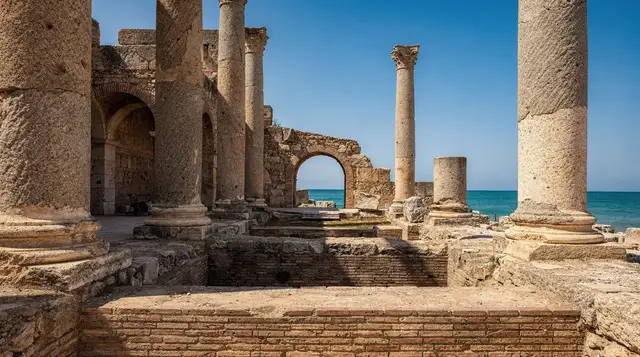
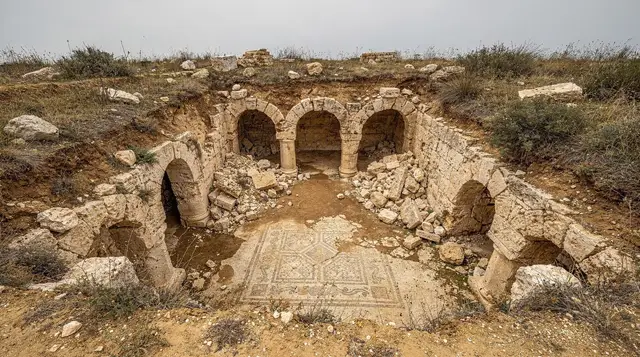
By contrast, Dougga, the El Djem amphitheatre and Thuburbo Majus involve long stretches of exposed, largely shadeless walking that becomes genuinely tiring by mid-morning in July and August; if these sites are on your list for a summer trip, an early start is not optional, it’s the difference between a comfortable two-hour visit and an exhausting one.
A private full-day tour to Uthina and Dougga is worth booking with an early departure time specifically requested if you’re visiting during peak summer; most operators can adjust start times, and it’s worth asking rather than accepting a standard mid-morning pickup.
Where to spend the evenings
Because the hours after sunset are the real reward of a summer trip, it helps to decide in advance where you want to be once the heat eases. The medina walking route works much better as a late-afternoon and early-evening wander than as a midday march, and the rooftop views over the medina are most rewarding when the light softens. On the coast, the cafés of Sidi Bou Said are a natural place to linger over mint tea, and café culture more generally is worth embracing, since sitting in the shade with a slow drink is exactly how locals get through the warmest hours.
For dinner, seafood in La Goulette and La Marsa suits warm nights well, and street food in Tunis is easier to enjoy once the temperature has dropped. If you would rather avoid taxis in the evening rush, the TGM train to La Marsa is a simple way to reach the northern seafront, and the guide to getting around Tunis explains the other options. The summer programme of festivals and events in Tunis and the Carthage International Festival are also worth checking before you fix your dates, as evening performances are a good reason to be in the city in the warmer months.
Beach days and cooling off
The sea is the obvious answer to the heat, and the northern suburbs are the easiest place to start. The beaches of Gammarth and La Marsa are close enough to the capital for a half-day swim, while the wider choice of beaches near Tunis gives you alternatives if one stretch of sand feels too crowded. Families will find family beaches in Tunisia useful, and the Hammamet beaches guide covers the resort coast where summer crowds are heaviest. If you prefer to be on the water rather than beside it, boat trips from Tunis offer a breeze that the shore rarely gives.
Travelling with children changes the calculation, since little ones tire quickly in strong sun. Tunis with kids and the water parks of Tunisia both help you build days around water and shade, and the indoor ideas written for rainy days double as useful shelter from the midday sun.
Summer and the Sahara: a separate, harder question
If a Sahara extension is part of your trip, summer is the season to think most carefully about. The Sahara in summer: how hot is too hot covers this in detail, but the short version is that daytime desert temperatures in July and August routinely exceed what’s comfortable or, in some conditions, genuinely safe for extended outdoor time without careful planning. Most reputable operators adjust itineraries around this, earlier starts, longer shaded breaks, but it’s worth going in with realistic expectations rather than assuming the desert follows the same rules as the coast.
What to pack for a summer trip
Light, breathable fabrics matter more here than in any other season, along with genuinely reliable sun protection, a wide-brimmed hat and high-factor sunscreen are not optional extras in July and August. A refillable water bottle is worth carrying at all times; dehydration creeps up faster than most visitors expect given how dry the heat can feel compared with more humid climates. the packing list tool adjusts recommendations specifically for a summer trip.
| What to pack | Why it matters in summer |
|---|---|
| Light, breathable clothing | High daytime temperatures across all three months |
| Wide-brimmed hat and sunscreen | Strong, near-constant sun exposure |
| Refillable water bottle | Dehydration risk is real, especially away from the coast |
| A light layer for evenings | Sea breezes can cool coastal evenings noticeably |
Combining sights in a single, well-planned day
A tour combining Carthage, the Bardo museum, Sidi Bou Said and the Tunis medina is a good template for a summer day precisely because it alternates between outdoor stops and the air-conditioned Bardo, giving the itinerary a natural cooling-off point partway through rather than four consecutive hours in direct sun. The best day trips from Tunis is worth checking for other combinations that balance exposure and shade similarly well.
Staying comfortable in the city itself
A few habits make the difference between enduring a summer day and enjoying it. Choose accommodation with air conditioning and, if you can, a location you can walk back from easily, since a short rest at midday is the most reliable way to keep your energy for the evening. Where to stay in Tunis compares the neighbourhoods, and spa hotels near Tunis are a pleasant option if you want a pool close at hand. Dress modestly in the medina and around religious sites even when it is hot; mosque etiquette in Tunisia explains what is expected, and light long sleeves in breathable fabric are often cooler than bare skin in direct sun.
Budget a little extra for drinks and taxis in summer, because you will stop for cold water more often and may prefer a car to a long walk. Taxis in Tunis and the Tunis budget guide help you plan for both. If you are building the trip from scratch, the trip planning guide and the three-day itinerary are good starting points, and the month-by-month weather guide shows how summer sits against the rest of the year.
Who summer suits, and who should reconsider
Summer suits travellers whose priority is beach time, warm evenings and the lively, sociable atmosphere of the coast in peak season, and who are comfortable adjusting their sightseeing schedule around the heat. It’s a harder sell for anyone with heat sensitivity, small children who tire quickly in high temperatures, or a itinerary heavily weighted toward exposed Roman sites and the interior. The best time to visit Tunis compares summer directly against spring, autumn and winter if you’re weighing the trade-offs.
Mistakes to avoid
Frequently asked questions about summer in Tunis
How hot does it actually get in Tunis in summer?
Daytime temperatures typically run from the high twenties in June to the mid-to-high thirties Celsius in July and August, with occasional heatwave spikes higher still.
Is June cooler than July and August?
Yes, noticeably. June is warm rather than intensely hot, and it’s often considered the most comfortable of the three summer months for a coastal trip.
Is it safe to visit Roman sites like Dougga in summer?
Yes, with planning: an early start, sun protection and plenty of water make it manageable. Midday visits in July or August to these exposed sites are genuinely uncomfortable and best avoided.
Is summer a good time for a Sahara excursion?
It’s the hardest season for one. Daytime desert heat in July and August is a real consideration; spring, autumn or even winter are better windows if your schedule allows flexibility.
Are hotel prices highest in summer?
Yes, particularly along the coast in July and August, driven by European summer holiday demand. Prices and availability are noticeably better in June than in peak July-August weeks.
Is Tunis crowded in summer?
The coastal resort towns are genuinely busy, filled with package holidaymakers. Tunis city itself and the medina are busier than in spring or autumn but less overwhelmed than the coast.
What time of day is best for sightseeing in summer?
Early morning, roughly 8am to noon, and again from late afternoon into the evening. The hours around midday are best reserved for indoor sites, shaded lunches or a rest.
Is the sea warm enough to swim in summer?
Yes, this is the best swimming window of the year along the Tunis coast, with consistently warm water from June through August.
Seasonal experiences on GetYourGuide
Verified deep-linked GetYourGuide tours. Book through these links and we earn a small commission at no cost to you.
These are our own photographs of Tunisia, not the operator's pictures of this tour — open the tour page to see those.